Singapore Q4 GDP Jumps 5.7% as Manufacturing Rebounds

By Tredu.com • 1/2/2026
Tredu
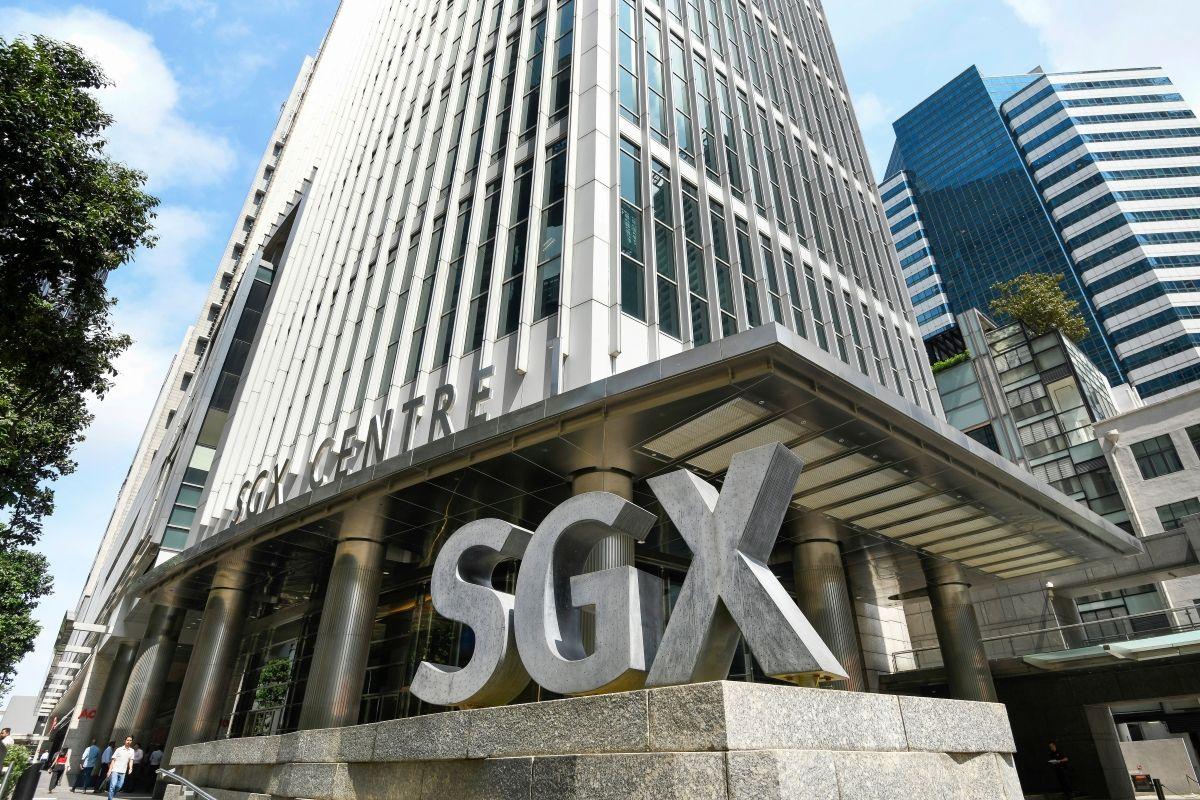
GDP beat puts Singapore back on Asia growth radar
Singapore’s economy expanded 5.7% year on year in Q4, an upside surprise that beat market expectations and marked a clear jump in momentum into year-end. The data, released on Friday, Jan. 2, 2026, was driven by a broad-based upswing led by a manufacturing rebound, a shift that matters for markets because it can lifts the Singapore dollar, change the path for local rates, and tilt sector leadership in stocks.
The first market mechanism is policy probability. Stronger growth makes near-term easing less likely and can keep short-dated yields firmer, even when global rate-cut pricing is building. The second mechanism is earnings mix. A pickup in manufacturing and trade volumes tends to support banks, industrials and parts of transport, while a higher-rate backdrop can pressure rate-sensitive real estate and utility-style names.
A third channel runs through FX. The SGD reaction to GDP prints is often most visible in forward points and hedging demand rather than a dramatic spot move, but a sustained growth beat can still improve carry-adjusted appeal for regional portfolios that compare Singapore to other Asia markets.
Manufacturing strength does most of the work, but the mix is the signal
The Q4 surge was attributed to stronger activity in the industrial complex, with electronics and precision output improving relative to earlier quarters. Manufacturing is a small share of employment but a large share of cyclical swings, so a rebound tends to pull in upstream services such as logistics, wholesale trade, and business services tied to exports.
The mix matters because it changes how investors model durability. A single quarter can be distorted by shipping schedules or inventory cycles, but a rebound that is centered on production typically carries higher spillover than a services-only jump. It also has clearer read-through into regional supply chains, which is why the result quickly became a reference point for Asia growth and exports narratives into Q1 2026.
The 5.7% number also forces a reset of expectations around corporate guidance. Firms that were budgeting for a modest finish to 2025 may now enter 2026 with a less conservative base case, particularly in sectors exposed to electronics shipments and cross-border trade.
FX and rates adjust first, then equities follow
Singapore’s currency is managed within a policy band, so the immediate response is often subtler than in fully floating currencies. Even so, stronger GDP can still lifts the SGD via positioning and reduced downside hedging, especially when global investors are already running a lighter dollar bias into 2026.
On rates, the most direct move tends to show up in the front end, where traders adjust odds for policy accommodation and price in a slightly firmer path for money-market settings. When rates firm, bank stocks often benefit through net interest income expectations, while bond-proxy sectors can lag.
Equities usually react through sector rotation rather than index-level fireworks. In Singapore, that can mean a preference for banks and industrial cyclicals over high-dividend defensives, with the Straits Times Index often reflecting how financials and REITs trade against each other when growth surprises.
Markets care about the “why” behind the beat, not only the headline
A Q4 number can beat for different reasons, and each has different market consequences. If the gain is export-led with improving order books, investors tend to treat it as more durable and may reward companies with operating leverage to volumes. If the beat is driven by one-off construction timing or public spending disbursements, the market usually fades it faster.
This time, the emphasis on strong manufacturing is what pulls attention toward electronics-linked momentum and the broader trade cycle. It also sets up a cleaner debate on whether the improvement is demand-driven or inventory-driven. The answer will shape whether spreads between Singapore and regional peers narrow or widen through the first quarter.
For Tredu tracking of cross-asset themes, the key point is that a growth surprise of this size can reshape how Asia allocations are built, because it nudges the region’s “hard data” story in a positive direction at the start of 2026.
The regional overlay adds both upside and downside paths
Singapore’s growth is tightly linked to external demand, so the global macro backdrop remains the swing factor. If U.S. demand stays resilient and China-linked supply chains stabilize, the manufacturing rebound can extend into Q1 and Q2. That would keep the GDP narrative supportive for stocks and help maintain a firmer tone for rates.
The downside is that electronics and trade are cyclical. If global demand cools or if inventory corrections return, manufacturing strength can fade quickly. In that scenario, the initial beat becomes a peak rather than a base, and the market would rotate back toward defensives and rate-sensitive cash flow names.
There is also an inflation and cost angle, even without a spike in consumer prices. Stronger activity can tighten labor markets in specific pockets, lift wage costs for firms competing for specialized roles, and keep services inflation sticky. That is another reason rates can remain supported even when global disinflation trends are intact.
Base case, upside trigger, downside trigger for early 2026
The base case is that growth normalizes after a strong Q4, but remains solid enough to keep the policy stance steady, with the economy supported by production and trade-linked services. Under this path, SGD remains supported, and stocks show selective leadership, led by financials and industrial cyclicals.
The upside trigger is a second consecutive quarter of strong export and electronics data, which would reinforce the manufacturing rebound and invite upward revisions to earnings. The downside trigger is a sharp reversal in external demand indicators, including weaker shipment data or falling forward orders, which would push investors back toward expectations of easier financial conditions later in 2026.
What to watch next
The first trigger is January 2026 manufacturing PMI data, which will show whether the rebound is broadening or narrowing. The second trigger is Singapore’s non-oil domestic export release in early February 2026, a timely check on electronics and re-export momentum. A third trigger is the next MAS policy outlook 2026 review window in April 2026, when guidance on the policy band can shift FX and rates expectations. The fourth trigger is the advance estimate for Q1 2026 GDP in April 2026, which will confirm whether Q4 was a one-quarter jump or the start of a new run-rate. A fifth trigger is bank earnings in February 2026, because sector-level results will reveal whether firmer rates and higher activity are translating into improved margins and credit conditions.
Other News

The Role of Intelligent Forex Trading Systems in Optimizing Algorithmic Trading Performance
By Tredu.com · 5/20/2026

How Machine Learning Forex Trading Bot Enhances Predictive Accuracy in Forex Markets
By Tredu.com · 5/20/2026

FinancialMarkets.media granted the Official Google Partner certification
By Tredu.com · 5/20/2026