SpaceX Buys xAI For $250B, Resetting Mega-IPO Valuation Bets

By Tredu.com • 2/3/2026
Tredu
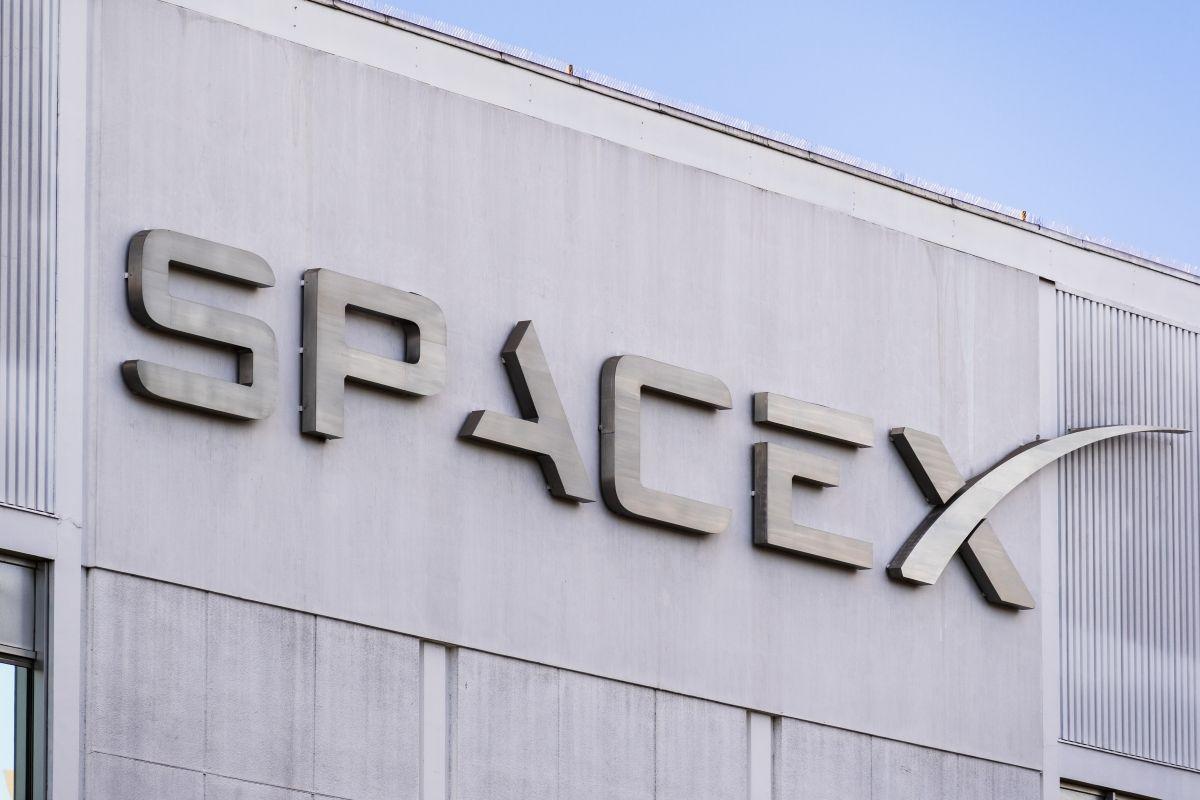
On February 2, 2026, Elon Musk said SpaceX would fold artificial intelligence company xAI into the rocket-and-satellite group ahead of a planned public listing. Markets care because the tie-up combines a launch and broadband franchise with an AI developer whose largest costs are chips, data centers, and power, resetting how investors weigh growth, cash flow, and national-security exposure.
Deal Math Sets A $1.25 Trillion Private Marker
The SpaceX xAI acquisition values SpaceX at $1 trillion and xAI at $250B, implying a combined private valuation near $1.25 trillion. xAI holders are set to receive 0.1433 SpaceX shares for each xAI share; some executives can elect cash at $75.46 per share, according to people familiar with the structure. Another person said the merged equity could be priced around $527 per share in private terms, a level that can influence secondary-market marks and employee tender pricing.
The purchase becomes the largest merger-and-acquisition deal on record, overtaking the $203 billion Vodafone-Mannesmann transaction in 2000. The scale also signals that Musk is relying on internal consolidation, not a fresh outside raise, to finance expansion before a listing.
Mega-IPO Story Shifts Toward AI, With Scrutiny On Governance
SpaceX has been preparing for a mega-IPO that people close to the process say could value the company above $1.5 trillion and raise as much as $50 billion. By adding xAI, the pitch to public buyers expands from launch cadence and Starlink subscriber growth to AI capacity and product distribution, creating mega-IPO valuation shifts in how investors mark private growth assets.
The tradeoff is governance complexity. SpaceX holds billions of dollars in U.S. federal contracts with NASA, the Department of Defense, and intelligence agencies, and changes in ownership structure can trigger review focused on conflicts, data controls, and the movement of engineers and proprietary technology. Those frictions can change IPO timing and can shift private valuation reference points if diligence stretches into mid-2026.
Data Center Plans Tie Rockets To Compute Economics
Musk has argued that the lowest-cost place to put AI compute will be in space within two to three years, citing solar power and scalability. xAI is building a large training system in Memphis, Tennessee, branded Colossus, and its cost base is dominated by accelerators, networking gear, and electricity.
For SpaceX, the strategic logic is to connect launch throughput, satellite manufacturing, and Starlink connectivity to future orbital data center concepts. If the company can translate rockets into a compute supply chain, it can defend pricing power across broadband and AI services; if not, the combined group inherits the capex intensity of frontier AI, which can pressure margins when chip availability or power prices tighten and orbital data center bets get repriced.
Defense Exposure Adds A Second Demand Channel And A Review Risk
The merger also pulls Pentagon-linked revenue closer to the AI stack. xAI has a contract worth as much as $200 million to provide Grok products to the Pentagon, and the U.S. defense secretary visited SpaceX’s Starbase site in Texas earlier this month to discuss integrating the model into military networks. SpaceX’s national-security unit already operates Starshield, a classified satellite effort under contract with a U.S. intelligence agency.
That defense channel can lift long-dated revenue visibility, supportive for credit and for any IPO bookbuilding. It can also raise constraints on data access and model training, which would limit synergy if government customers require ring-fencing of personnel and infrastructure.
How The Deal Can Move Public Markets Now
Even as a private transaction, the announcement can affect public pricing through comps and risk sentiment. AI-heavy stocks often trade as rate-sensitive duration assets, while defense exposure trades more like an annuity tied to budgets. Putting both under one umbrella forces investors to re-underwrite correlation and cash-flow timing, a process that can lift implied volatility around any IPO schedule updates.
The deal also highlights scarcity at the top end of AI funding. If the market buys the thesis that orbital infrastructure can lower compute costs, suppliers tied to satellites, launch services, and networking gear can see a sentiment bid. If the market treats the combination as financial engineering ahead of a listing, valuation shifts can spill into listed AI names as investors compare capex burdens and governance.
Base Case, Upside, And Downside Scenarios For 2026 Pricing
Base case: integration proceeds without contract disruption, SpaceX publishes combined audited statements, and an offering filing follows once board controls and related-party policies are formalized. Under this path, the $1.25 trillion marker becomes an anchor for pricing, and the IPO window remains open for mid-2026, a date Tredu tracks as the next major catalyst.
Upside scenario: Starlink revenue accelerates in 2026 and defense demand expands for secure satellite communications and AI-enabled planning tools, allowing the merged group to show operating leverage even as compute grows. A trigger would be additional multi-year defense awards or faster-than-expected monetization of Grok products, supporting higher IPO pricing and tighter credit spreads for suppliers.
Downside scenario: review timelines extend, or customers require strict separation of data, personnel, and compute across units, delaying synergy and pushing the listing window back. A trigger would be a sharp rise in compute and power costs, or a procurement rule change that limits commercial AI use in defense networks, which would pressure valuation and turn investor bets defensive.
Bottom line:
The merger brings SpaceX’s space and broadband cash flows together with xAI’s compute-heavy growth profile, changing how investors model risk and return ahead of any listing. The next market-moving inputs are approval friction tied to federal work and whether AI spend can scale without eroding margins.