Syrian Troops Take Oil Belt After Kurdish Pullout, Markets Price Risk

By Tredu.com • 1/19/2026
Tredu
Oil assets and prison security turn Syria’s map change into a market event
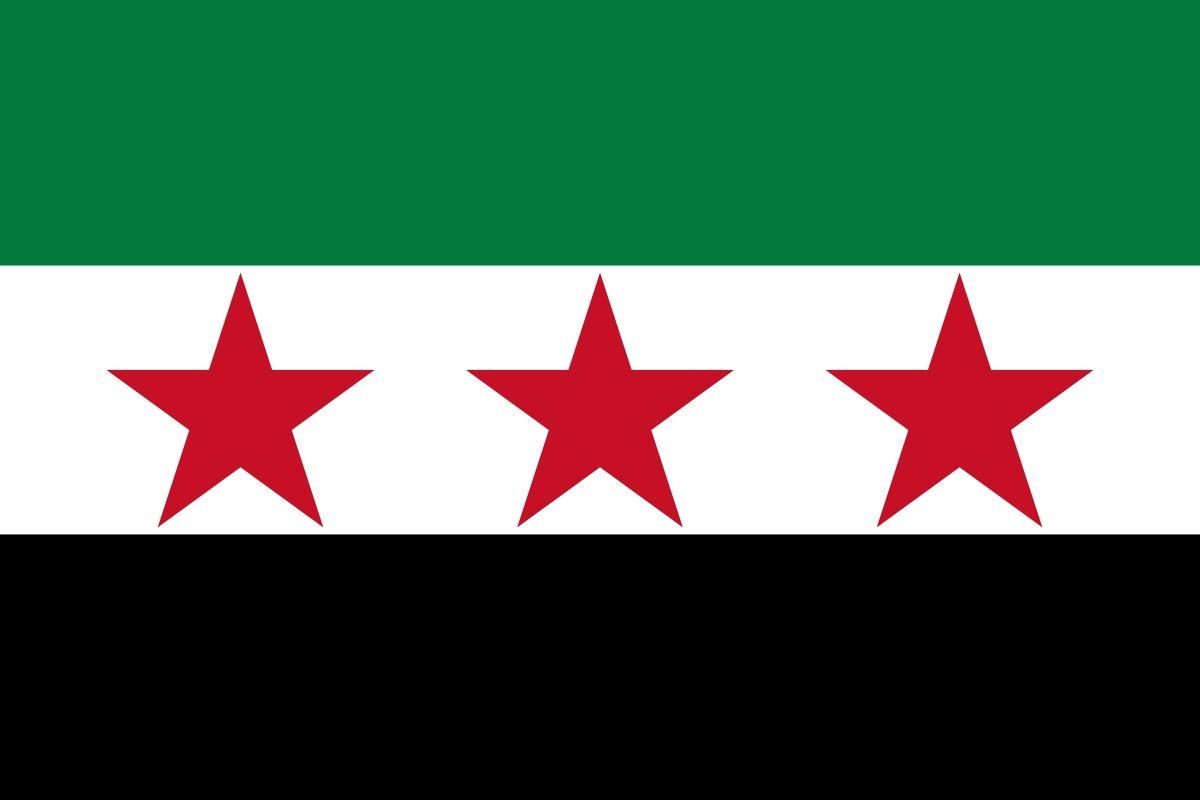
Syrian troops moved rapidly on Monday, January 19, to consolidate control across northern and eastern territory after an abrupt Kurdish pullout, taking over key energy sites and security facilities in a shift that investors are treating as a risk input rather than a purely local development. The latest moves matter for markets because the new control line runs through Syria’s oil belt and intersects with prisons holding thousands of Islamic State detainees, two areas where a single incident can widen a crude risk premium and lift regional volatility.
The core issue is not Syria’s barrels on the world balance sheet, which remain small, but the probability of disruption and contagion. When energy assets change hands alongside detention facilities, traders tend to buy protection first and ask questions later, pushing up hedging costs across crude, regional equities, and high-beta currencies.
A 14-point deal reshapes control of oil, borders, and detention sites
The Kurdish-led Syrian Democratic Forces agreed to a 14-point withdrawal deal that includes handing over prisons, border crossings, and energy infrastructure to Damascus, while integrating SDF fighters into state security structures on an individual basis. The agreement also requires the removal of non-Syrian PKK-linked affiliates, a clause closely tied to Turkish demands and one that can change the political ceiling for the next phase of the conflict.
From a market perspective, formalizing a transfer is a double-edged trade. It can reduce the probability of prolonged front-line warfare, but it also concentrates operational risk into a narrow handover window, when command-and-control is being rebuilt and rival groups may test weak points.
The Omar oil field and Conoco gas plant become the center of the cash-flow story
Syrian forces expanded their footprint around the Omar oil field and the Conoco gas plant in Deir al-Zor, the most commercially important energy sites in the east. Omar has long been described as the country’s largest oil field, while Conoco is a key gas processing node, making both facilities critical for domestic power generation and refined fuel availability.
Syria’s current output is far below pre-war levels. Before 2011, production was often estimated around 350,000–400,000 barrels per day, while current volumes are generally seen as under 100,000 barrels per day due to damaged infrastructure, sanctions constraints, and limited investment. That gap is why the global supply impact is limited, but it still matters locally because oil revenue and fuel access are central to basic services and state payroll capacity.
Oil prices can move on perception even when barrels are small
Traders typically separate “flow risk” from “headline risk.” Syria does not directly swing global supply the way a major Gulf exporter does, but a security deterioration can still lift prices through a fear channel, especially when it overlaps with other regional stress points.
The most common expression is in short-dated options and front-month spreads, where investors pay for protection against sudden spikes. Even modest incremental demand for crude hedges can support higher implied volatility and keep energy-sensitive equity sectors bid, particularly in Europe where refiners and airlines are sensitive to sudden fuel cost shifts.
Prison incidents raise the probability of an ISIS security shock
The SDF said its Shaddadi prison came under attack amid the handover and that an Islamic State prison escape occurred, while Damascus denied storming the facility and said it was securing the area and pursuing fugitives. The SDF also reported clashes near another detention site close to Raqqa, warning the prison system could destabilize if seized or disrupted during the transition.
This is where the story becomes a market driver. Detention facilities are a high-stakes risk node because even dozens of escaped militants can trigger a cycle of violence, retaliation, and infrastructure sabotage. That is the type of shock that can raise insurance costs, tighten security protocols for logistics operators, and elevate risk premia across the region.
The U.S. stayed out, and Turkey’s reaction changes cross-border risk pricing
The United States did not intervene despite appeals from the SDF, a signal that Washington is backing a negotiated reordering under Damascus rather than restoring the previous operational map. Turkey welcomed the withdrawal framework, framing it as progress toward reducing threats from Kurdish militias it views as linked to the PKK.
For investors, the combination matters. Less U.S. involvement can raise uncertainty about enforcement and stabilization capacity. At the same time, Turkish support can reduce the probability of an immediate large-scale Turkish incursion, which would be a sharper risk event for border trade and transport corridors.
Regional FX and EM risk assets can react faster than oil itself
The first spillover often appears in currencies and frontier risk, not in crude benchmarks. A rise in Middle East FX volatility typically reflects two forces: demand for safe havens and a repricing of capital flows toward countries perceived as more insulated from security shocks.
Oil importers feel the opposite channel. If crude hedging costs rise and prices firm, import bills increase, and currencies can weaken at the margin. That is why the Syria map change can show up indirectly in broader EM sentiment, even if it does not alter global supply fundamentals.
Defense and surveillance spending narratives gain another tailwind
Any increase in Islamic State prison escape risk reinforces government demand for drones, border monitoring, and ISR (intelligence, surveillance, reconnaissance) capabilities. Defense equities often benefit when security risk rises, not because of one contract, but because the market assumes budgets stay elevated and procurement cycles accelerate.
Analysts at Capital Economics have previously noted that local conflicts can have limited direct economic impact, but can still widen risk spreads if markets fear escalation or contagion. In equity terms, that usually supports defense suppliers while pressuring travel, airlines, and cyclicals that rely on calm risk sentiment.
What changes next: stabilization, output recovery, or renewed fragmentation
Base case is a messy but contained consolidation, where Syrian troops hold the oil belt and the Kurdish pullout proceeds without a prolonged urban fight. Under this scenario, crude hedging demand fades after a few sessions and markets refocus on rates, inflation, and earnings.
The upside scenario for stability requires two concrete triggers: secure detention site control and a working integration process that reduces militia fragmentation. If those land, local energy operations can become more predictable, improving domestic fuel supply and reducing sabotage risk.
The downside scenario is driven by prison disruption and renewed insurgent activity that targets energy assets, roads, or local governance. That outcome would keep markets pricing risk, lift insurance and freight costs, and support a persistent crude risk premium even without meaningful supply losses.