Taiwan Artificial Intelligence Exports Lift Taiex, Stir Bubble Fears

By Tredu.com • 2/12/2026
Tredu
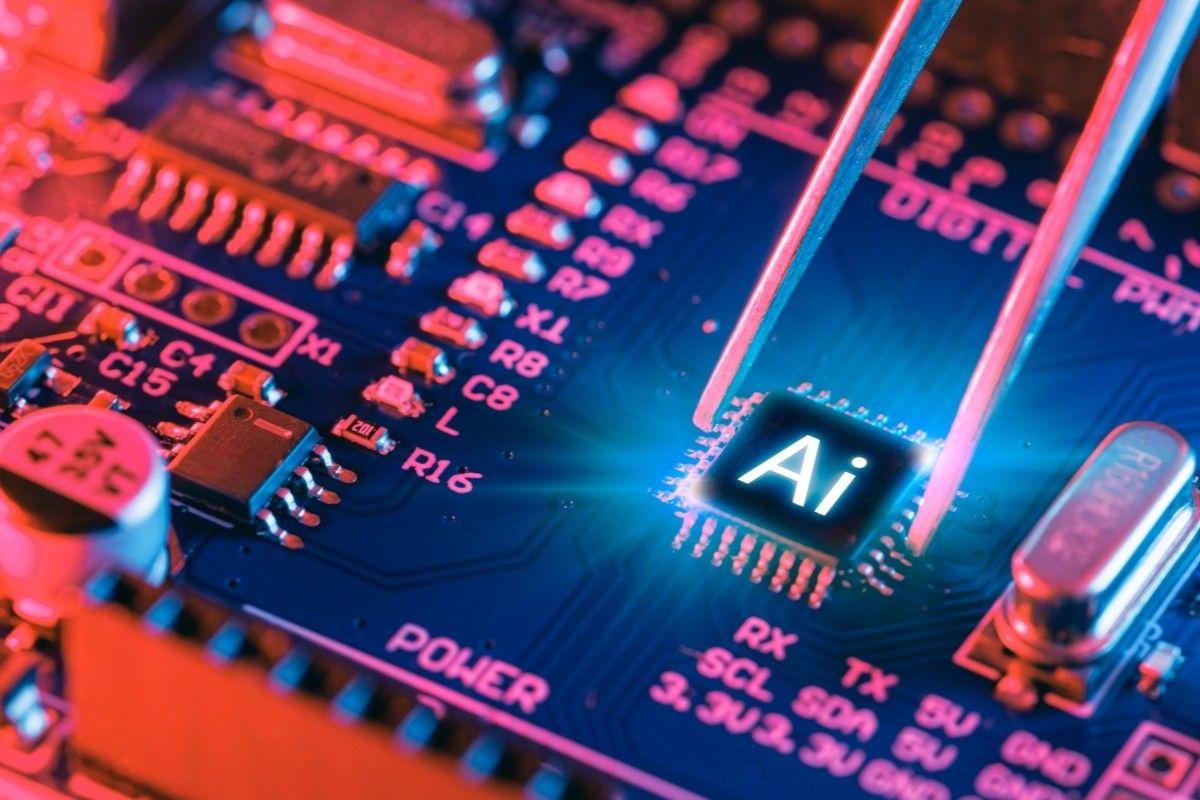
Chip Exports Push Taiwan Growth Higher As Markets Chase Artificial Intelligence
Taiwan’s economy is running hot on artificial intelligence demand, with 2025 gross domestic product expanding 8.6%, the fastest pace in 15 years, as export orders for chips and AI servers surged. Exports jumped nearly 35% year over year in 2025, and shipments to the United States rose 78%, a mix that has turned trade flows into a front-line market driver for equities, foreign exchange, and rates in early 2026.
The market impact is concentrated in technology because Taiwan’s largest firms sit at the center of the global compute buildout. Taiwan Semiconductor Manufacturing Company has become a top-tier proxy for the artificial intelligence cycle, while contract manufacturer Foxconn has ramped production of AI servers and racks, tying Taiwan’s earnings outlook to the pace of data center spending.
Equity Leadership Is Narrow, With Taiex Gains Tied To Chip Cash Flows
Taiwan’s benchmark Taiex has climbed nearly 250% over the past decade, and the latest leg higher has been fueled by names linked to semiconductors, server assembly, cooling, and advanced packaging. Taiwan Semiconductor Manufacturing Company reported 2025 profit up 46% to 1.7 trillion Taiwan dollars (about $54 billion), a scale that has pulled domestic household savings and institutional money deeper into local equities.
Nvidia’s footprint has added to the momentum. The company plans a new Taiwan headquarters near a northern Taipei industrial hub, and the expansion has become a magnet for suppliers and engineers. For equity investors, the mechanism is straightforward: higher compute demand raises wafer starts, lifts utilization, and increases operating leverage for the strongest nodes of the supply chain.
Capital Spending At $52 Billion–$56 Billion Raises Bubble Fears
The same boom is forcing large investment decisions that can lift volatility. Taiwan Semiconductor Manufacturing Company has signaled 2026 capital spending of $52 billion–$56 billion, a level that increases execution risk if demand assumptions prove too optimistic. Those capex numbers also interact with valuation, because when spending rises, the market demands confidence that pricing and volumes are durable enough to protect returns.
The capex wave has started to stir bubble fears in two places at once: in equity multiples tied to long-duration growth and in property markets near technology clusters. Around key science parks and the new headquarters zone, real estate speculation has accelerated as higher-paid chip engineers and managers bid up rents and home prices, creating a local wealth effect that does not always translate to the broader economy.
Rates And Foreign Exchange Reprice As The Central Bank Manages Heat
The currency and bond market are reacting to growth concentration and external risk. The Taiwan dollar closed at 31.478 per U.S. dollar on February 11, a level traders watch because a stronger currency can tighten financial conditions for exporters, while a weaker currency can raise import costs. Taiwan’s foreign exchange reserves stood at $604.46 billion as of January 30, a buffer that can calm disorderly moves when risk sentiment turns.
Rates are low but sensitive to global pricing. Taiwan’s 10-year government bond yield was around 1.43% on February 11, while the central bank’s key discount rate has been held at 2.00% since March 2024. When artificial intelligence exports accelerate, markets tend to price stronger nominal growth, but the main Taiwan rates channel still runs through global yields and the dollar, because export earnings and portfolio flows are heavily linked to U.S. financial conditions.
Supply Chain Bottlenecks Shift Profit Pools Beyond Chips
The boom is not only about wafers. Advanced memory, liquid cooling, and power delivery have become constraint points, pushing pricing power toward firms that can deliver thermal and power solutions at scale. Asia Vital Components, a cooling supplier, has said it is already designing thermal systems for 2028 servers, a timeline that highlights how far forward procurement planning has moved.
This matters for markets because bottlenecks change who captures margins. When memory bandwidth or cooling limits deployment, demand can remain strong while revenue shifts from one component supplier to another, increasing dispersion across semiconductor shares rather than lifting the entire sector evenly.
China Tension Keeps A Risk Premium In Taiwan Assets
Geopolitics remains the second pillar of pricing. Taiwan produces more than 90% of the world’s most advanced chips, a concentration that supports the “silicon shield” idea, but also increases tail risk in global portfolios. China conducted military exercises around Taiwan in late December, and the persistence of drills and pressure keeps hedging demand elevated across equities and foreign exchange.
Lynn Song, chief economist for Greater China at ING Bank, has warned that Taiwan’s growth is “very highly contingent” on the artificial intelligence boom continuing, which is why markets treat any sign of demand cooling as a high-beta trigger for Taiwan assets. Companies have also responded by diversifying footprints: Taiwan Semiconductor Manufacturing Company is expanding in the United States, Japan, and Germany, while Foxconn runs large manufacturing capacity outside Taiwan, including significant operations in China.
Wealth Gap Widens Even As Headline Growth Surges
The domestic distribution story is becoming harder to ignore. Official data show Taiwan’s wealth gap has roughly quadrupled over the past three decades, and wage gains have been strongest for chip engineers, specialized managers, and software talent. Traditional industries such as plastics and machine tools have lagged, creating a policy tension: diversify away from technology to spread gains, or double down where Taiwan is globally dominant.
For investors, that inequality matters because it affects political stability, consumption mix, and housing affordability. It also changes how retail demand responds to rate moves, since higher-income tech workers are less sensitive to borrowing costs than households outside the sector.
Base Case, Upside Scenario, Downside Scenario With Clear Triggers
Base case: artificial intelligence investment remains robust through 2026, exports stay strong, and growth cools from 8.6% toward mid-single digits, with Deutsche Bank estimating 4.8% for 2026. Triggers include stable U.S. tariff terms after the recent cut to 15% from 20% and continued chip orders that keep utilization high without forcing another capex jump.
Upside scenario: demand accelerates again as large cloud buyers expand deployments, Nvidia-linked server buildouts intensify, and supply bottlenecks ease in memory and cooling. Triggers include faster delivery of advanced memory and new server platforms that raise unit shipments, pushing the Taiex stock rally broader beyond a few mega-cap names.
Downside scenario: a demand air pocket hits as customers delay orders, export controls tighten, or a regional security event raises shipping and insurance costs. Triggers include a sustained drop in new wafer orders, a stronger U.S. dollar that tightens financial conditions, or renewed China tension that lifts the China risk premium embedded in Taiwan equities and the Taiwan dollar.
Bottom line:
Taiwan’s artificial intelligence exports are lifting growth, profits, and market leadership, but concentration risk is rising alongside valuations. The next reprice hinges on whether capex and orders stay aligned, and whether geopolitics stays contained enough to keep funding and FX stable.