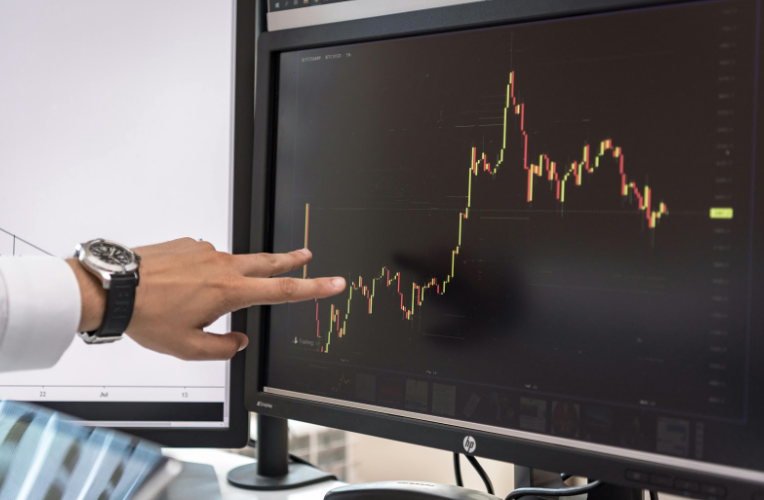
Taiwan Rejects 40% Chip Shift To United States, Markets Reprice

By Tredu.com • 2/9/2026
Tredu
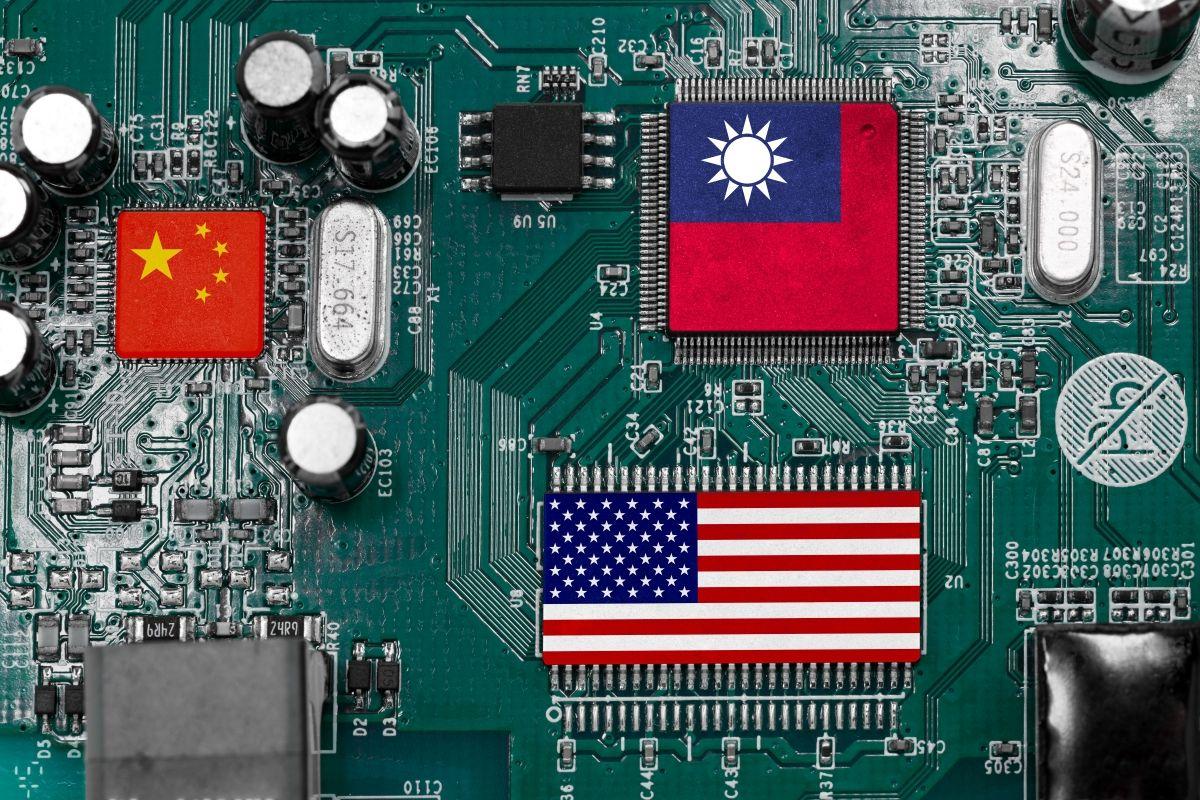
Taiwan rejects Washington’s push to relocate chip capacity, after a senior official said moving 40% of the island’s semiconductor production to the United States (U.S.) would be impossible. The comments, aired February 8 after a January 29 interview, matter because tariff risk can reprice supply-chain costs and shift positioning across technology stocks, foreign exchange, and rates.
A separate trade accord last month lowered tariffs on Taiwan exports to 15% from 20% and included investment pledges, but it did not change the political pressure around where leading-edge capacity sits. That gap between trade détente and industrial-policy demands is what markets are now trying to price.
Taiwan Says Its Semiconductor Ecosystem Cannot Be Relocated
Vice Premier Cheng Li-chiun, who oversees Taiwan’s tariff negotiations, said the industry cluster built over decades cannot be recreated overseas by moving factories alone. She said Taiwan’s science parks will not be moved, and that capacity at home will continue to grow even as companies expand abroad.
The stance lands as U.S. officials press for more domestic production on national-security grounds. When policy demands collide with physical constraints, markets tend to widen the range of outcomes for semiconductor earnings, lifting implied volatility in chip equities and FX hedges tied to Asia exports.
Why A 40% Target Is Hard To Execute In Practice
A 40% share target implies relocating not only wafer fabs, but also advanced packaging, specialty chemicals, tool servicing, and a deep bench of process engineers. Taiwan’s advantage is density, suppliers and talent sit close to production, and iteration cycles are fast. Replicating that web requires years of qualification, steady power and water, and trained staff, constraints that do not compress easily into a 12–24 month policy window.
Tariff Threats Turn Politics Into A Pricing Variable
U.S. Commerce Secretary Howard Lutnick has argued it is illogical to keep most production “80 miles from China” and has floated punitive tariffs if reshoring does not accelerate. In earlier remarks, he said levies could rise as high as 100% if a large shift does not happen.
That threat is the main market channel. A steep duty would raise the effective cost of imported chips, squeeze margins for downstream hardware makers, and push up capex costs for data centers. It would also lift the risk premium on semiconductor cash flows, because investors would demand compensation for policy-driven earnings dispersion.
Taiwan’s Offer: Expand In The United States Without Moving The Core
Cheng said Taiwan can help the United States build a cluster by sharing experience, but she tied international expansion to being firmly rooted at home. She said Taiwan’s planned, under-construction, and existing projects in advanced manufacturing and advanced packaging would exceed its investment in any single foreign location.
The baseline for “more” is already large. Taiwan Semiconductor Manufacturing Company plans about $165 billion of investment in Arizona, a multiyear build that demonstrates overseas expansion is possible, but also highlights long lead times and the challenge of matching mature yields.
How Markets Reprice Chips, The Dollar, And Rates
Equities react first. Higher tariff risk typically pressures consumer electronics and server supply chains, while supporting firms tied to domestic semiconductor construction and select equipment demand. Foreign exchange is next: a jump in uncertainty can lift the U.S. dollar and raise hedging costs for the Taiwan dollar as exporters and investors adjust exposures.
Rates and credit respond through inflation and funding. If chip costs rise, goods inflation can firm and term premia can increase, while corporate credit spreads can widen for hardware issuers with thin margins. If policy clarity improves, spreads can tighten and tech multiples can stabilize.
Base Case: Incremental Reshoring, Taiwan Capacity Keeps Growing
The base case is continued negotiation noise in 2026, with gradual U.S. buildouts alongside faster growth in Taiwan. Under this outcome, tariffs stay near agreed levels, and companies keep adding selective overseas capacity without a forced relocation of the science-park ecosystem.
A trigger for this path is detailed implementation language that clarifies timelines and product coverage, reducing the chance of sudden tariff resets.
Upside Scenario: Predictable Rules Lower Tariff Risk Premium
An upside outcome requires a rules-based framework that caps tariffs and sets stable sourcing expectations, while permitting expands U.S. capacity over several years. With clearer rules, investors can model cash flows with less dispersion, and markets can reprice volatility lower across semiconductors and tech-linked credit.
A trigger would be published thresholds for any future duties that remain below punitive levels, paired with faster permitting and grid upgrades at new U.S. sites.
Downside Scenario: 100% Tariff Threat Returns And Volatility Jumps
The downside scenario is escalation, with formal notices that revive a 100% tariff threat or impose near-term capacity targets that firms cannot meet. That would force a rapid reprice of chip and hardware earnings, lift equity volatility, and tighten financial conditions through a stronger dollar and wider spreads.
A trigger would be shortened compliance deadlines or a broader package that links tariffs to relocation targets rather than investment commitments.
Bottom line:
Taiwan’s refusal to accept a 40% capacity move keeps the reshoring debate centered on tariffs rather than factory announcements alone. The next market swing depends on whether policy talks produce predictable rules, or revive punitive duty threats that raise costs across tech supply chains.