Tesla Cuts FSD Subscription Price, Putting Autonomy Margins in Focus

By Tredu.com • 1/14/2026
Tredu
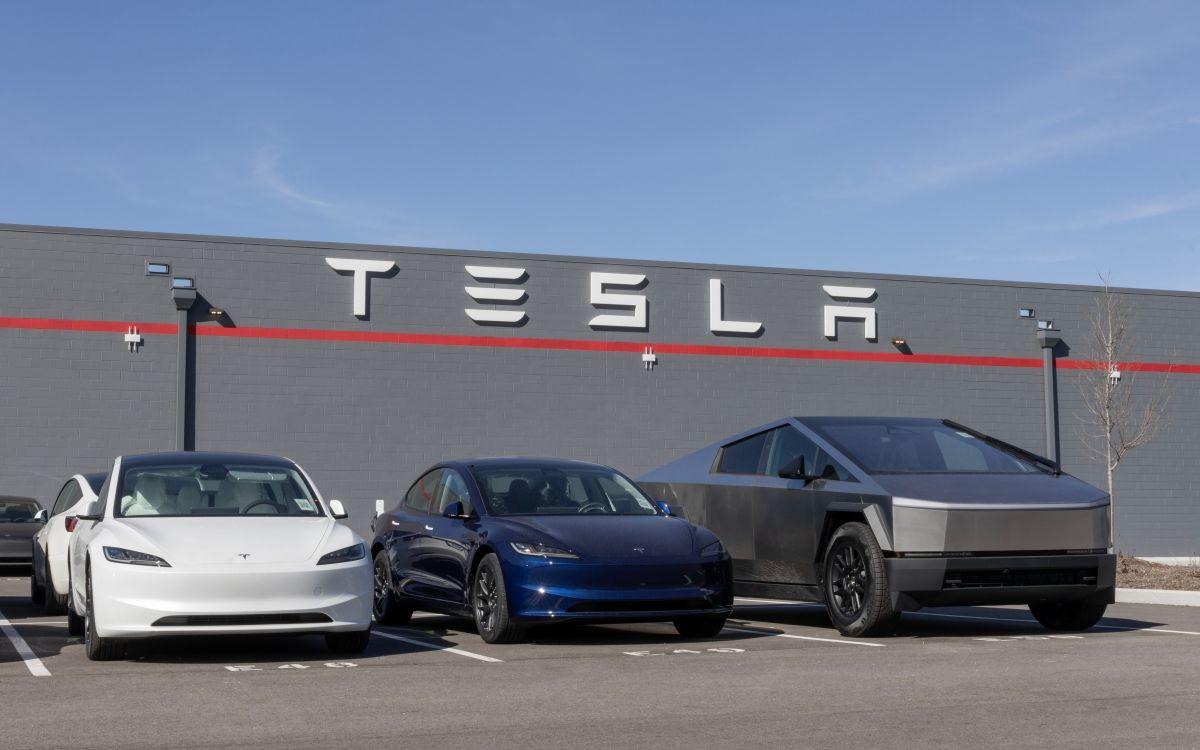
Tesla lowers the monthly price as it pushes software revenue harder
Tesla is reducing the monthly cost of its Full Self-Driving software subscription, a move designed to increase adoption and lift recurring revenue at a time when investors are watching 2026 delivery outlook and pricing power across the EV market. CEO Elon Musk said the company would cut the FSD subscription price, framing it as an acceleration tactic as Tesla expands the feature set and pushes toward a more software-led profit mix.
The change matters because subscriptions are increasingly central to Tesla’s valuation story. Hardware margins are pressured by competition and price cuts, while software revenue is typically higher-margin and more stable. A price cut can widen the funnel, but it also forces a new question: is the company maximizing long-term penetration or reacting to softer demand for the higher-priced plan?
Lower pricing aims to raise the take rate across the installed base
Tesla has long marketed FSD as a premium upgrade, offered either through an upfront purchase or a monthly subscription. Cutting the monthly price is a direct attempt to raise the Full Self-Driving take rate by making the software easier to try, especially for owners who hesitate at a larger one-time payment.
For the market, the revenue math depends on conversion. A lower subscription price helps if it increases the number of paying users enough to offset the lower monthly fee. If adoption rises sharply, Tesla can still expand total software revenue while improving retention through ongoing updates.
This is the same playbook used by many consumer platforms: price lower early, build habit and reliance, then layer in product improvements and potentially higher tiers later.
Investors will focus on autonomy margins and how “software-like” FSD really is
A core tension is that FSD is software, but it is not costless to deliver. Training and improving autonomy systems requires heavy compute spending, data labeling, simulation, and fleet learning infrastructure. As the user base grows, support demands and model update cadence also rise.
That is why autonomy margins are now a key market variable. A subscription price cut can signal confidence in scale economics, but it can also be read as a sign Tesla is prioritizing volume over margin, especially if the company believes a larger active user base improves its data advantage.
The market will want evidence that lower pricing does not degrade profitability, either through lower per-user revenue or through higher development costs that eat into the benefit.
Competition and regulation still set the ceiling for monetization
Tesla’s autonomy positioning is becoming more contested. Several rivals are advancing driver-assistance and automated driving offerings, and some are focusing on restricted domains that allow higher reliability in limited settings. Tesla’s approach remains broader and more consumer-facing, which makes product perception and safety events more important for take-up.
Regulation is also central. Autonomy regulation risk is not only about bans or approvals, but about how features are labeled and how regulators treat claims around “self-driving.” If rules tighten on marketing or feature limits, it can slow subscription growth and reduce willingness to pay.
This is why investors tend to react to FSD changes not as pure pricing news, but as a signal about Tesla’s confidence in product readiness and regulatory runway.
The stock market lens: recurring revenue versus demand softness
A subscription pivot can support valuation because it shifts Tesla toward predictable revenue streams. If a price cut lifts adoption quickly, investors may view it as a strong sign of elasticity and customer interest, with recurring revenue compounding over time.
The risk is perception. If the market reads the move as a response to slowing demand for the paid plan, it can be interpreted as a softer pricing environment for the Tesla ecosystem, at the same time the company is facing pressure in vehicle pricing and margins.
That framing matters for how the stock trades, especially around earnings. A higher take rate can offset unit margin pressure, but the market needs proof in disclosed software revenue and gross margin stability.
Spillovers into the broader EV and tech ecosystem
The pricing move can influence competitors. If Tesla successfully drives subscription adoption, other automakers may accelerate their own software strategies, including paid driver-assist packages. That can lift interest in automotive software suppliers and in chipmakers selling into advanced driver assistance systems.
It can also move investor focus toward data center and AI compute spend, because autonomy systems consume training resources similar to large AI models. A wider user base can create a stronger data feedback loop, which in turn requires more compute and can increase capex intensity over time.
Scenarios for 2026: adoption surge, margin trade-off, or stalled trust
The base case is a moderate adoption lift, with more owners trying the subscription at the lower price and Tesla generating steadier software revenue growth through 2026. In this case, the market focuses on proof points in quarterly software revenue and in reported margins.
The upside scenario is a sharp rise in the take rate that meaningfully lifts recurring revenue, with no corresponding margin hit. This would strengthen the “software company inside an automaker” narrative and support a higher valuation multiple.
The downside scenario is that take-up improves only slightly, suggesting pricing was not the barrier and that product trust or regulatory constraints are the limiting factors. If that happens, the price cut could be seen as a margin concession with limited strategic return.
What investors will watch next
The next datapoint is how Tesla reports subscription revenue and services growth, and whether any metrics show a step-change in adoption. Investors will also track consumer feedback, safety and compliance signals, and any regulatory headlines tied to autonomy systems. Finally, watch whether Tesla pairs pricing changes with new features, because improved capability can justify upgrades and reduce churn.
Other News
The Role of Intelligent Forex Trading Systems in Optimizing Algorithmic Trading Performance
By Tredu.com · 5/20/2026
How Machine Learning Forex Trading Bot Enhances Predictive Accuracy in Forex Markets
By Tredu.com · 5/20/2026

FinancialMarkets.media granted the Official Google Partner certification
By Tredu.com · 5/20/2026