Trump Links Iran War Pressure To Tougher China Trade Tariffs

By Tredu.com • 3/6/2026
Tredu
Trump Connects Iran Conflict With Global Trade Strategy
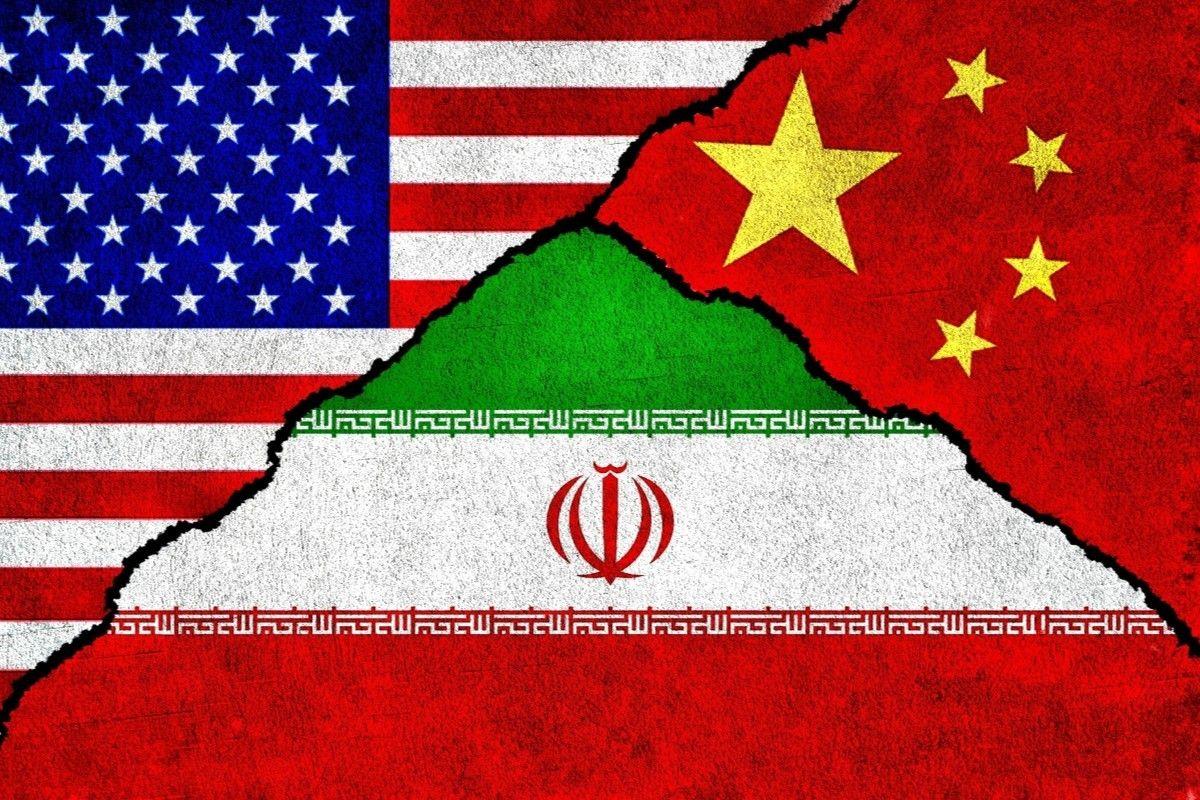
President Donald Trump signaled that the expanding war with Iran could reshape the United States’ broader economic strategy, including tougher trade tariffs on China and other major trading partners. The comments highlight how the administration is increasingly linking national security conflicts with economic pressure tools such as tariffs and trade restrictions.
Trump said geopolitical tensions tied to the Middle East conflict are forcing Washington to reassess supply chains and global trade dependencies. That reassessment could lead to stronger tariff policies targeting countries seen as benefiting from U.S. markets while maintaining ties with geopolitical rivals.
The remarks come during a period of heightened global uncertainty after U.S. and Israeli strikes triggered a major confrontation with Iran that has already pushed oil prices higher and rattled financial markets.
Trade Policy And Military Strategy Become Intertwined
Trump has long advocated linking trade policy with national security, arguing that economic leverage can be used alongside military power. The administration’s approach reflects a broader strategy aimed at reducing reliance on foreign supply chains, particularly those connected to China.
Tariffs have become a central part of that policy. Earlier this week, the administration confirmed a new global tariff structure that could reach around 15% on imported goods, replacing earlier tariff mechanisms struck down by the U.S. Supreme Court.
Officials said the tariffs are intended to protect U.S. manufacturing and rebalance global trade flows, although economists warn they could increase costs for consumers and businesses.
The link between tariffs and geopolitical conflicts adds another layer of uncertainty for companies operating global supply chains.
China Becomes Central To The Economic Debate
China’s role in the global economy makes it a primary focus of the administration’s trade strategy. Beijing remains one of the largest buyers of Iranian oil and maintains strong economic ties with Tehran, placing it at the center of the geopolitical landscape surrounding the conflict.
Analysts note that tensions in the Middle East complicate U.S.-China relations because Beijing depends heavily on energy imports from the region. Any disruption to shipping routes such as the Strait of Hormuz could directly affect China’s energy security and economic stability.
At the same time, Washington has accused Chinese companies of helping Iran bypass sanctions through complex shipping and trading networks.
These dynamics mean trade policy could become another front in the broader geopolitical confrontation.
Market Channels: Oil, Supply Chains And Equities
Financial markets are watching the interaction between the Iran conflict and global trade policy closely because the combination can create powerful economic shocks.
The first channel is energy. Roughly one-fifth of the world’s oil supply normally passes through the Strait of Hormuz, making it one of the most critical shipping routes for global energy markets. Disruptions there have already pushed crude prices higher since the conflict began.
The second channel is supply chains. Tariffs on Chinese goods can affect everything from consumer electronics to industrial equipment. If tariffs increase while energy prices rise, companies may face a double cost shock.
The third channel involves equity markets. Technology companies, semiconductor manufacturers and multinational retailers are particularly sensitive to changes in trade policy because their production networks span multiple countries.
Base Case: Trade Pressure Rises But Stays Targeted
In the base case scenario, the United States maintains tariffs at elevated levels while avoiding a full-scale trade war escalation with China. Under this outcome, companies adjust supply chains gradually while financial markets price in a moderate geopolitical risk premium.
Oil prices remain volatile but stable enough to avoid major supply disruptions, allowing central banks to maintain current policy trajectories.
Upside Scenario: Diplomatic Openings Ease Pressure
An upside scenario would involve diplomatic progress in the Middle East combined with renewed U.S.-China trade talks. Reduced geopolitical tension could stabilize oil markets and improve business confidence, supporting global equities and trade flows.
Lower energy prices and fewer tariff threats would likely help manufacturing sectors and emerging markets tied closely to global exports.
Downside Scenario: War And Trade Conflict Collide
The downside scenario is a simultaneous escalation of military conflict and trade pressure. If the Iran war intensifies while the United States raises tariffs on Chinese goods, global markets could face a combination of higher energy costs and disrupted supply chains.
That combination could slow global growth, increase inflation risks and trigger sharp volatility across equities, currencies and commodities.
Investors would likely move toward safe-haven assets such as U.S. Treasuries and gold while reducing exposure to cyclical sectors and emerging markets.
Bottom line:
Trump’s comments show how the Iran conflict is spilling into global economic policy, with tariffs becoming another tool in geopolitical competition. Markets now face the possibility that war risk and trade tensions could move together rather than separately.