Trump Plans New Tariff Probes As Court Ruling Hits Global Trade Bets

By Tredu.com • 2/24/2026
Tredu
White House Rebuilds Tariff Wall Under New Legal Tools
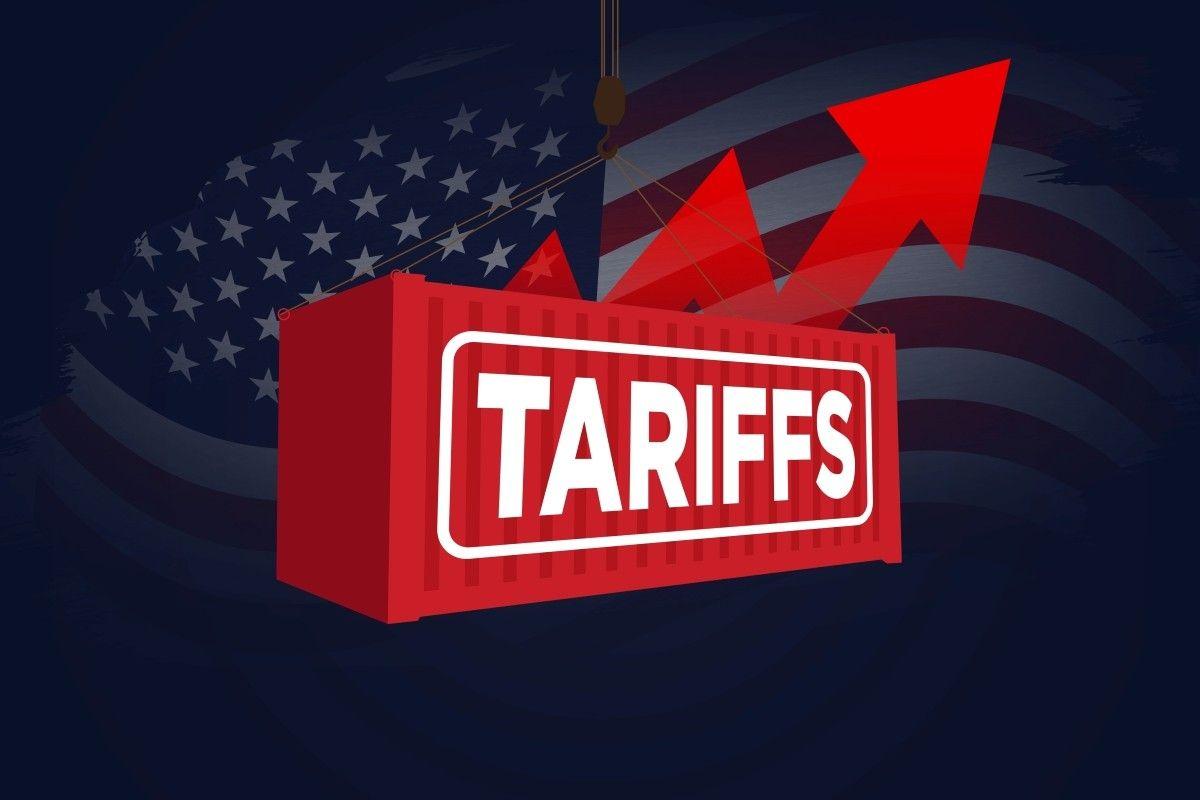
On February 20, 2026, a U.S. Supreme Court ruling narrowed the administration’s ability to use emergency powers for tariffs. Trump’s team has laid plans to keep duties in place, a shift that matters for equities, rates, and foreign exchange as a 10% global import levy takes effect on February 24.
In the days after the court decision, officials moved to set a 150-day clock and to prepare new tariff probes that can support additional duties later in 2026, leaving global trade bets sensitive to both legal timelines and policy announcements.
A Fast Pivot On Tariffs, With A 15% Threat Still Hanging
The Supreme Court ruling blocked a set of country-specific duties imposed under the International Emergency Economic Powers Act, tariffs that had ranged from 10% to 50%, and the White House moved within hours to restart collections using Section 122 of the Trade Act of 1974.
Customs guidance showed the initial 10% rate applied from 12:01 a.m. Washington time on Tuesday; Trump has floated raising the headline rate to 15%, but no signed directive was in place as the 10% tariff began, a gap that can add uncertainty to near-term pricing and shipping contracts.
Exemptions Shape Which Sectors Take The First Hit
The Section 122 order preserved carve-outs that shift the impact across supply chains, including exemptions for aerospace products, passenger cars and some light trucks, and goods from Mexico and Canada that qualify under the U.S.-Mexico-Canada trade agreement.
Pharmaceuticals, certain critical minerals, and selected agricultural products also remain outside the temporary charge, muting the immediate cost shock in some defensive sectors while pushing more of the tariff hits toward industrial inputs and general merchandise.
One private-sector estimate puts the average effective U.S. tariff rate near 10.2% once exclusions are applied, down from about 13.6% before the court ruling; a 15% headline levy would lift the effective rate to roughly 12%, a swing that can show up in 2026 goods inflation data.
New Probes Target Batteries, Castings, Chemicals, And Network Gear
The administration is preparing investigations into the import impact of large-scale batteries, cast iron and iron fittings, electrical grid equipment, telecom equipment, plastics and plastic piping, and industrial chemicals, using national security as the legal rationale.
Those probes, expected under Section 232 of the Trade Expansion Act, can take months to conclude, but they enable product-specific tariffs that can concentrate earnings risk in industrials, chemicals, and hardware; castings and piping also feed directly into industrial metals demand and construction costs.
Officials are also readying additional country-focused actions under Section 301 of the Trade Act of 1974, and U.S. Trade Representative Jamieson Greer said on February 22 that Washington expects partners to honor deals negotiated over the past year, even as the European Union and India paused talks on February 23 pending clarity.
Refund Risk And The Confidence Channel
The ruling raised the prospect of refunds for duties collected under the invalidated emergency program, and economists at the Penn-Wharton Budget Model have estimated around $175 billion could be subject to repayment depending on litigation outcomes.
Trump has said refund disputes are likely to be litigated for 2 to 5 years, and Treasury Secretary Scott Bessent has argued tariff revenue can be kept “virtually unchanged” by using Section 122 as a bridge while Section 232 and Section 301 cases progress, a combination that increases policy complexity and can keep risk sentiment fragile.
How This Filters Into Stocks, The Dollar, And Credit
Equities sold off as uncertainty rose, with the Dow Jones Industrial Average down 1.65% and the S&P 500 off 1.02% on February 23, while the Nasdaq Composite slipped 1.01% as investors recalculated margins, input costs, and cross-border demand.
In foreign exchange, the dollar weakened against the euro and the yen during the same session, reflecting risk aversion and uncertainty about how quickly trade rules will change; in rates, a higher effective tariff level can lift inflation expectations and term premia, while a growth scare can flatten the curve via safe-haven demand.
Credit spreads are most exposed in import-heavy segments such as retail, autos, and chemicals, while domestically anchored producers can outperform if tariffs shift market share, a mechanism that can widen dispersion in U.S. equity factors through mid-2026.
Tredu Scenarios For Trade Risk In 2026
Base case: the 10% global tariff runs through the 150-day window while several Section 232 probes are formally launched, and targeted duties begin to appear late in 2026 if investigations are completed before the temporary levy expires.
Upside scenario: the formal 15% order is delayed, and major partners reaffirm agreements by mid-2026, triggering a rebound in risk bets as policy clarity reduces volatility and supports cyclical equities.
Downside scenario: the White House implements the 15% maximum rate quickly and pairs it with broad Section 232 tariffs across multiple industrial categories, prompting retaliation and pushing stocks lower as the tariff hit to costs and demand intensifies.
Bottom line:
The tariff strategy has shifted to legal tools that can move quickly but leave businesses guessing about the final rate and product scope. That uncertainty can pressure import-heavy margins and keep risk appetite fragile while the 150-day window runs. The next trigger is whether a formal 15% order is signed and how fast new probes advance.