Trump Warns Iran: U.S. Will Intervene if Protesters Are Killed

By Tredu.com • 1/2/2026
Tredu
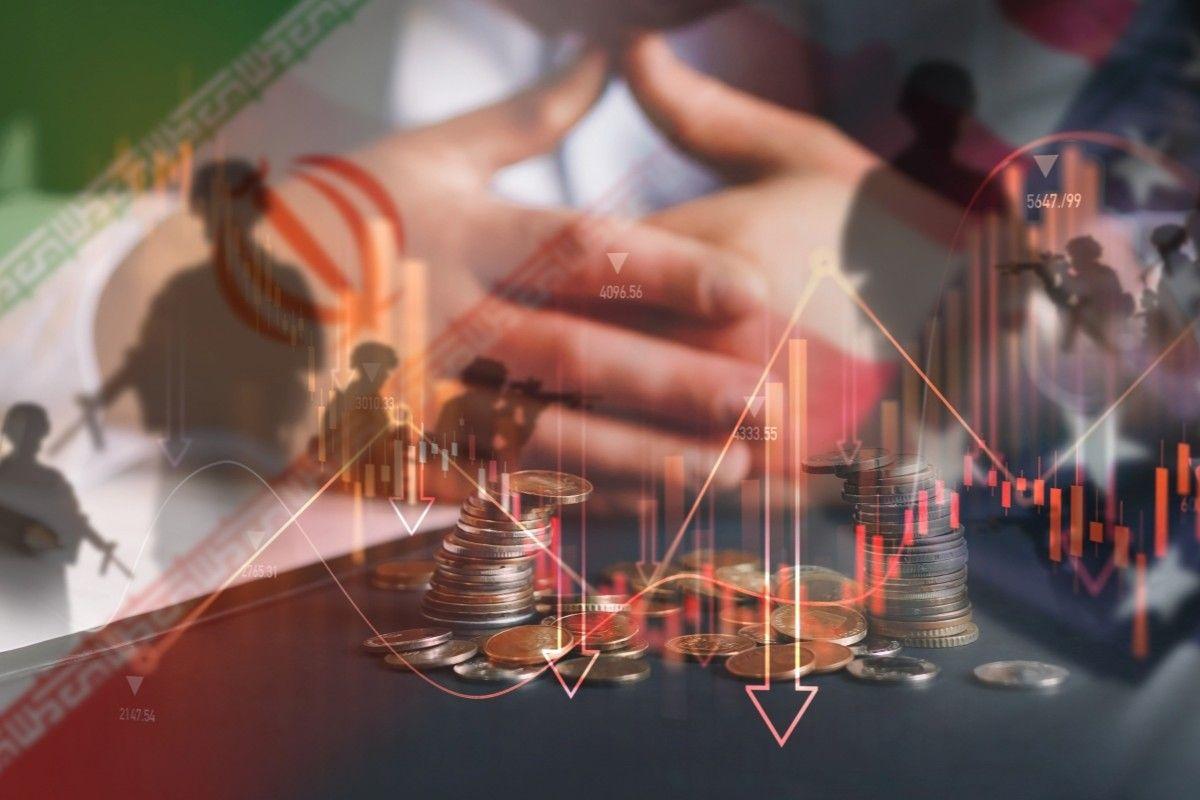
U.S. warning adds a new market risk layer to Iran’s unrest
President Donald Trump issued a warning on Friday, Jan. 2, 2026, saying the United States is prepared to intervene if Iran’s authorities violently kill peaceful protesters, a statement that raised the odds of a faster escalation channel between Washington and Tehran. The words matter for markets because they introduce a binary risk around internal unrest: a crackdown that turns deadly can trigger external pressure quickly, lifting hedging costs across oil, shipping insurance, and safe-haven assets.
Iran has faced a widening wave of demonstrations that began as protests tied to economic hardship and then spread across multiple provinces. At least several people have been reported killed in violence linked to the unrest, including clashes involving security forces, and the country’s leadership has been balancing security measures with public messaging aimed at preventing further escalation.
The immediate financial impact is less about Iran’s current production and more about the probability distribution around conflict spillover. Even without a direct move, the combination of unrest, public U.S. threats, and a history of rapid tit-for-tat steps can keep risk premia elevated into the first full trading week of 2026.
Protests widen as currency pressure deepens the economic shock
The protests have been closely linked to Iran’s cost-of-living squeeze, with inflation and a sharp currency slide hitting household purchasing power. The economic stress has been building for months, and the latest unrest has been described as the largest since the 2022 protests that shook the country.
Iran’s currency weakness is central to the story because it transmits into higher import costs, higher food and fuel prices, and reduced confidence in savings, which can drive the kind of broad-based street activity that is harder to contain. A worsening inflation spiral also narrows the government’s policy options, since tighter monetary and fiscal settings can deepen recession pressures while looser settings can feed inflation.
For markets, the key macro point is that domestic instability raises the probability of policy surprises. That tends to show up first in volatility, then in a wider spread between best-case and worst-case outcomes for energy and regional assets.
Tehran rejects foreign interference as rhetoric hardens
Trump’s statement, posted publicly, included language indicating readiness, and it prompted sharp pushback from senior Iranian figures who have framed U.S. involvement as a red line. Iranian officials have also accused foreign powers of trying to incite unrest, a claim that can be used domestically to justify tougher security measures.
This exchange matters because it increases the risk of miscalculation. When both sides communicate in maximalist terms, smaller incidents can be interpreted as larger strategic signals. In a market context, that means traders are more likely to pay for protection in oil and rates, even if spot prices do not spike immediately.
Iran’s leadership has also faced pressure from competing priorities: restoring calm in major cities, preventing further disruptions in sensitive regions, and managing the narrative around state legitimacy. Those constraints affect how quickly tensions can cool, and they influence whether a political solution, such as concessions or dialogue, is feasible.
Oil prices react through the risk premium, not immediate supply loss
Iran is not the biggest swing producer, and its exports have been constrained for years, but the market’s oil risk premium and Hormuz channel remains the dominant transmission mechanism. The Strait of Hormuz is the key chokepoint, and any perceived rise in confrontation risk can lift options pricing and front-month spreads as traders hedge tail scenarios.
One reason the risk premium can rise quickly is that shipping and insurance respond to probability, not certainty. If insurers reprice war-risk cover or if shippers reroute, the effect can show up as higher freight and longer delivery times even without a single barrel being disrupted.
A useful reference point for how quickly this premium can build comes from prior stress episodes. In a June 2025 note, Goldman Sachs estimated the geopolitical component embedded in Brent was about $10 per barrel during heightened Middle East tension, highlighting how much of the move can be about probability-weighted risk rather than verified supply outages.
Gold, the dollar, and yields price the same uncertainty in different ways
A rise in geopolitical tension typically supports gold safe haven demand, particularly when uncertainty is political rather than purely economic. Gold’s sensitivity is strongest when real yields fall or when investors seek hedges against sudden shocks. If the warning cycle leads investors to reduce risk exposure, gold can stay bid even if inflation data are quiet.
The dollar response is more conditional. If the shock drives a classic risk-off bid, the dollar can strengthen versus higher-beta currencies, while emerging-market FX can weaken. If the shock instead increases concerns about prolonged U.S. entanglement and fiscal risk, the dollar can be more mixed, with flows favoring other defensive currencies depending on rate differentials.
Treasury yields can move in two directions depending on which force dominates. A pure risk-off move often pulls yields lower as investors buy duration. A sustained energy-driven inflation impulse can push yields higher through breakevens, especially at the long end, tightening financial conditions for stocks and credit.
Market scenarios hinge on specific triggers, not broad narratives
The base case priced by many desks is that protests continue intermittently, security forces attempt containment, and the U.S. warning remains rhetorical unless lethal force is used widely. Under that path, oil stays supported mainly through higher hedging demand, gold remains resilient, and risk assets digest the headlines without a disorderly repricing.
The upside scenario for risk assets is a de-escalation signal: fewer reported deaths, a credible domestic dialogue channel, and quieter rhetoric from Washington and Tehran. That would likely reduce the near-term oil risk premium and ease volatility across regional equities.
The downside scenario is a sharp escalation trigger: a violent crackdown with rising casualties, followed by concrete U.S. steps such as new sanctions enforcement or visible military posturing, and then an Iranian response through regional proxies or shipping disruption threats. Under that path, the first moves are usually higher crude volatility, firmer gold, weaker risk assets, and wider credit spreads for energy-sensitive importers.
What to watch next
The first marker is whether the death toll rises and how Iran’s security forces are deployed in the next 72 hours, because that determines whether Trump’s intervene threshold is tested. The second is any operational signal in the Gulf, including shipping advisories or higher war-risk premiums, because those are early indicators of market stress. The third is whether Washington pairs rhetoric with policy steps, such as sanctions enforcement announcements, which can change the probability of escalation quickly. The fourth is how quickly Iran’s currency stabilizes or weakens further, since renewed depreciation can fuel new protests. The fifth is whether oil options implied volatility climbs, a real-time measure of how much risk premium is being priced into crude.
Other News

The Role of Intelligent Forex Trading Systems in Optimizing Algorithmic Trading Performance
By Tredu.com · 5/20/2026

How Machine Learning Forex Trading Bot Enhances Predictive Accuracy in Forex Markets
By Tredu.com · 5/20/2026

FinancialMarkets.media granted the Official Google Partner certification
By Tredu.com · 5/20/2026