United States Taiwan Tariff Deal Cuts To 15%, Sparks $85B Orders

By Tredu.com • 2/13/2026
Tredu
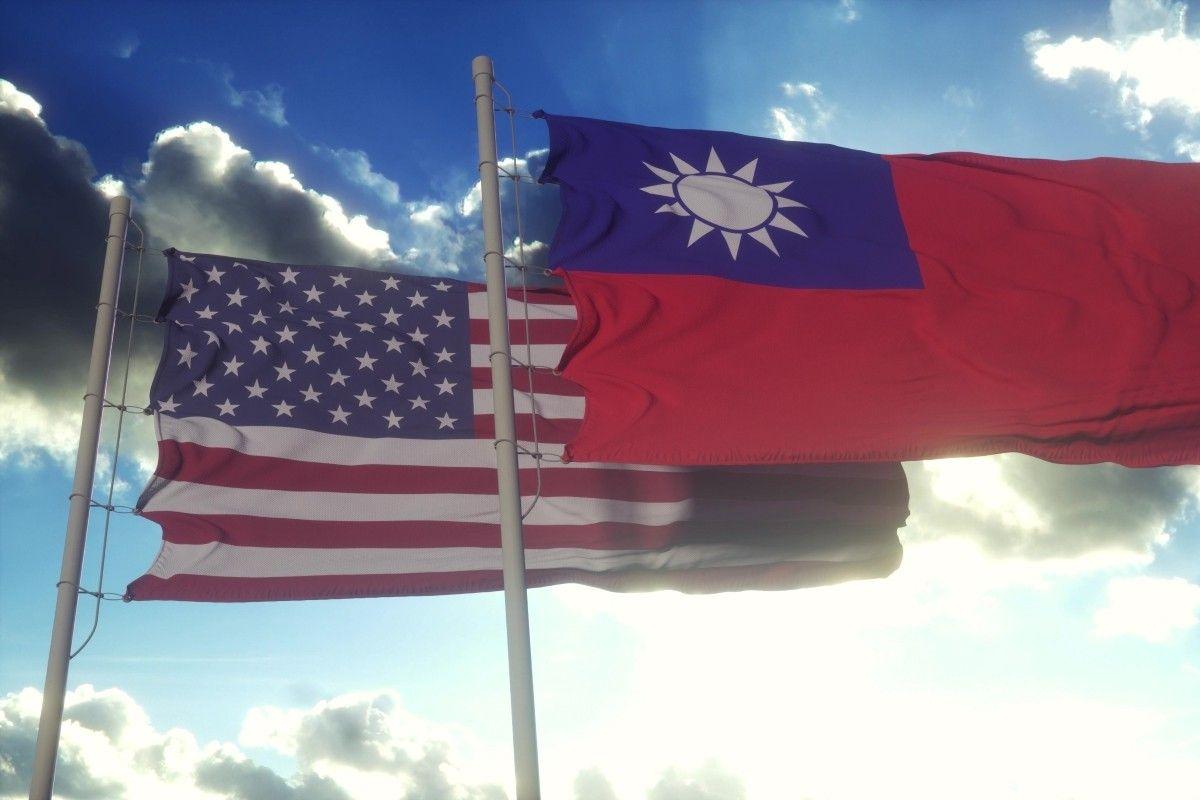
On February 12, 2026, the United States and Taiwan signed final language for a reciprocal trade accord that locks in a 15% tariff rate on most Taiwanese imports and sets a schedule for Taiwan to lower duties and ease market-access frictions for U.S. goods. To investors, the shift Sparks immediate repricing in sectors tied to energy cargoes, aircraft deliveries, power equipment, and semiconductor capital spending.
Tariff Terms And A Purchase Plan Put Hard Numbers On Trade
The agreement keeps the headline tariff at 15%, down from 20%, and the framework Cuts uncertainty for Taiwan exporters even as it leaves a meaningful duty in place. In return, Taiwan agreed to reduce or eliminate tariffs on nearly all U.S. products and to narrow non-tariff barriers in categories including motor vehicles, medical devices, and pharmaceuticals.
The Deal is built around a Taiwan purchase schedule running from 2025 to 2029. Taiwan committed to expand purchases across three areas: $44.4 billion of energy, mainly liquefied natural gas and crude oil; $15.2 billion of civil aircraft and engines; and $25.2 billion of power-grid and industrial equipment such as generators, marine gear, and steelmaking machinery. In aggregate, the pact Books $85B in prospective U.S. Orders, a figure that can pull forward production planning even when deliveries are staggered.
Taiwan also secured exemptions for more than 2,000 product items, a carve-out officials said would lower Taiwan’s average tariff on U.S. imports to 12.33%. Deal exemptions are a near-term lever for companies shipping high-volume goods where small duty changes decide sourcing and inventory strategy.
Investment Commitments Reallocate Semiconductor Capital
Alongside trade flows, the framework includes a $250 billion semiconductor investment pledge by Taiwanese firms into the United States, focused on semiconductors, artificial intelligence infrastructure, and advanced electronics. The amount builds on earlier announced spending, including $100 billion already pledged by Taiwan Semiconductor Manufacturing Company, and it implies added demand for U.S. construction services, factory tools, and electric equipment required to power new fabs.
For listed markets, the mechanism is timing. If projects move quickly from permitting to groundbreakings in 2026, suppliers of transformers, switchgear, and high-voltage cables can see faster backlog conversion. If timelines slip, the investment headline supports sentiment but delivers less near-term revenue.
Ratification Adds A Clear Political Trigger
The agreement still needs approval by Taiwan’s parliament, where the opposition holds a majority. As that vote approaches, tariff reductions and procurement schedules become the key forward trigger, and Tredu volatility gauges tend to rise into the decision window.
Market Impact Runs Through Energy, Aerospace, Tech, FX, Rates, And Credit
In equities, the most direct beneficiaries are linked to the energy and industrial purchase lines. A multi-year commitment that supports U.S. LNG exports and crude shipments can improve cash-flow visibility for gas producers and export terminal developers. The aircraft component adds demand visibility for commercial aerospace supply chains, but price impact depends on delivery slots and financing costs.
Industrial names tied to power transmission and grid modernization are also sensitive because the planned buying includes equipment that is copper- and steel-intensive. If procurement accelerates, miners and equipment makers can benefit even if broader manufacturing stays mixed.
For Taiwan equities, the 15% rate can stabilize forecasts for servers, components, and advanced electronics entering the U.S. market. The offset is that larger U.S. investment can shift some margin and depreciation burden toward American buildouts during ramp phases, increasing earnings dispersion.
In foreign exchange, larger purchases of U.S. energy and capital goods increase near-term dollar demand, while a clearer export regime can support the Taiwan dollar if portfolio inflows strengthen. In rates and bonds, stronger U.S. export demand and higher industrial investment can nudge Treasury yields up, while more stable energy supply chains can reduce inflation tail risk if crude prices are calm. Credit spreads should respond in pockets: investment-grade industrial suppliers can tighten on improved order visibility, while companies funding large U.S. buildouts may face wider spreads during the first 12–18 months of construction if cash burn exceeds expectations.
Base Case, Upside, Downside Scenarios With Concrete Triggers
Base case: Taiwan’s legislature approves the package with limited amendments, and tariff reductions on U.S. imports phase in through 2026 while the 2025–2029 purchase schedule starts with energy cargoes. The trigger is a ratification vote that preserves the 15% framework and validates the exemption list, allowing contracts and forward hedges to be set in the second quarter.
Upside: procurement is pulled forward, with early tenders for grid equipment and additional energy cargoes signed in 2026, lifting Orders for U.S. exporters and tightening spreads for high-quality industrial credits. Triggers include announced delivery timetables for LNG cargoes, confirmed aircraft delivery slots, and disclosed start dates for new semiconductor facilities under the $250 billion investment umbrella.
Downside: ratification delays or a geopolitical flare-up raises shipping and compliance costs, pushing purchases later and increasing volatility across Asia technology and freight. Triggers include a stalled parliamentary vote, a revision that narrows exemptions for key product items, or higher insurance and transport costs that raise the effective tariff burden for cross-Pacific trade.
Bottom line:
The agreement pairs a lower, fixed tariff rate with a defined purchase plan and fresh investment commitments, creating clear demand markers for energy, aerospace, and grid suppliers. Markets will trade the ratification timeline and the pace at which contracts and capital projects turn into cash flow.