White House Mulls Iran Military Options As Oil Risk Premium Spikes

By Tredu.com • 1/29/2026
Tredu
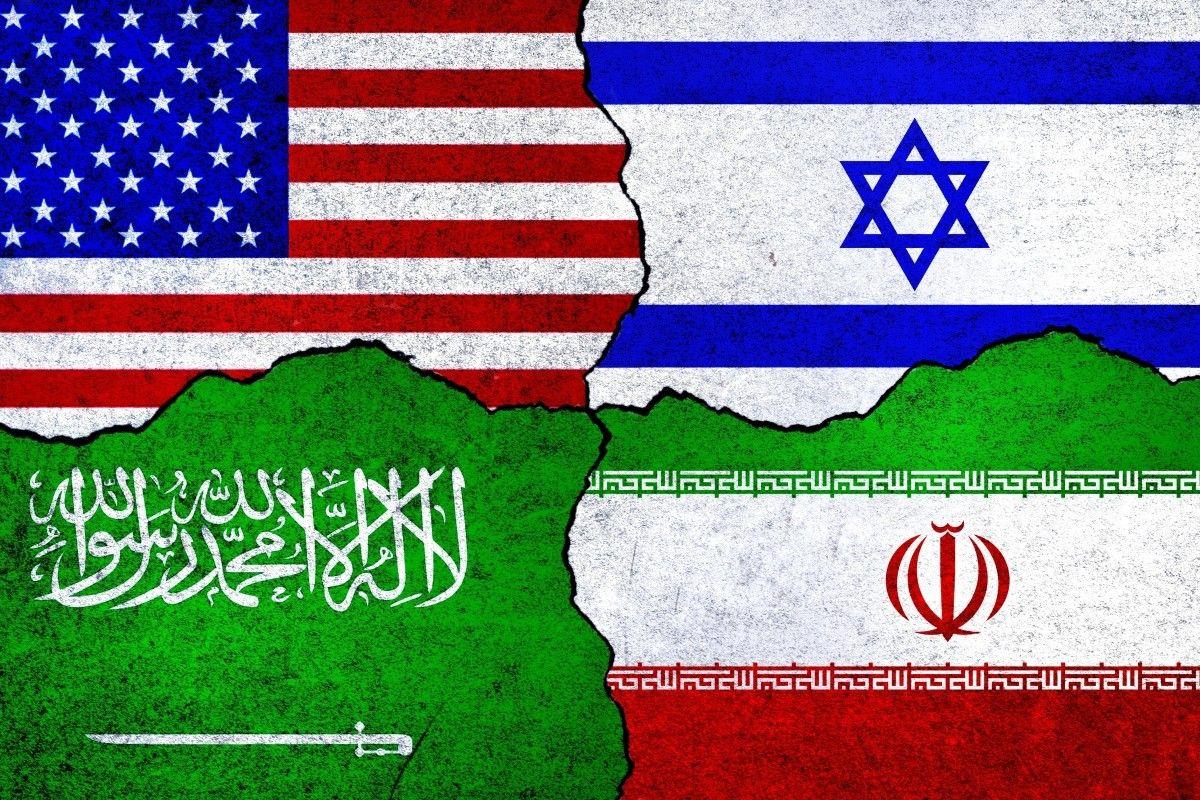
U.S. officials discussed potential action against Iran on Thursday, January 29, 2026, adding a fresh geopolitical premium to energy markets. Brent crude settled at $70.71 a barrel, up 3.4%, and U.S. West Texas Intermediate closed at $65.42, up 3.5%, as traders repriced disruption risk tied to Gulf shipping and retaliation.
White House Debate Puts Military Options Back On The Table
Donald Trump’s team reviewed Iran strike options, according to officials familiar with the deliberations, including targeted attacks on security forces and leaders linked to the January crackdown and broader packages aimed at ballistic missile forces or nuclear enrichment sites. The administration weighs whether limited strikes could help restart protests while avoiding a wider war, and no final decision had been made by January 29.
A U.S. aircraft carrier and supporting warships arrived in the Middle East this week, expanding operational capacity. Faster execution timelines matter for markets because headline gaps, not inventory data, become the main driver of crude direction.
Tehran Signals Deterrence While Leaving A Door Open
An Iranian official said Tehran was preparing for military confrontation while still using diplomatic channels. Trump warned on January 28 that any future U.S. attack would be worse than a June 2025 bombing campaign against three nuclear sites, raising the probability that escalation would extend beyond symbolic strikes.
Crackdown Numbers And Succession Risk Raise The Tail
A rights group has estimated 5,937 deaths tied to unrest, while Iranian official figures cite 3,117, intensifying political pressure in the United States. Supreme Leader Ayatollah Ali Khamenei is 86 and has been less visible, with day-to-day management shifting toward figures aligned with the Islamic Revolutionary Guard Corps, according to regional officials. Leadership uncertainty can extend sanctions and keep investment conditions tight in a country of about 90 million people.
Gulf States Press For Restraint, Bases And Energy Assets In Focus
Saudi Arabia, Qatar, Oman, and Egypt have lobbied against a strike, warning that their territory and U.S. bases could be early targets if Iran retaliates. Saudi Crown Prince Mohammed bin Salman told Iranian President Masoud Pezeshkian that Riyadh would not allow its airspace or territory to be used for attacks.
Strait Of Hormuz Is The Market’s Immediate Trigger Point
The Strait of Hormuz is about 33 kilometers wide at its narrowest, with shipping lanes roughly 3 kilometers in each direction, and it carries more than 20 million barrels per day of crude, condensate, and refined fuels, about 20% of global petroleum liquids consumption. Any credible threat to transit raises insurance premia and freight costs quickly. Markets priced a Strait of Hormuz disruption scenario even without a declared closure.
Iran’s Revolutionary Guard naval forces are scheduled to conduct live-fire exercises in the strait on February 1–2, and those live-fire exercises February 1–2 add a dated catalyst. Even without a closure, slower traffic can tighten prompt supply and lift refined product margins.
Cross-Asset Spillovers: Equities, Rates, And Volatility
Oil’s jump landed during an equity pullback. The Standard and Poor’s 500 was down 0.5% at 6,941.95 and the Nasdaq Composite was down 1.3% at 23,557.78 in New York trading, while energy shares held up better. The dollar index edged up 0.1% to 96.25, reflecting a mild flight to liquidity.
Brent’s 5-month high feeds into inflation pricing and can tilt rate expectations if crude stays above $70 into February. Short-dated crude option volatility spikes raise hedging costs for airlines and chemicals, while supporting cash flow expectations for large producers and tightening spreads in higher-quality energy credit.
Base Case: Higher Premium, No Sustained Flow Disruption
The base case is continued signaling and force posture, with the White House mulls action but holds short of a strike while diplomacy remains intermittently active. Under this path, Brent trades in the high-$60s to low-$70s and WTI in the low-to-mid $60s, with elevated volatility but stable physical flows.
Upside Scenario: De-Escalation Pulls Oil Back
The upside scenario requires renewed talks with verifiable parameters and uninterrupted shipping through February. If that occurs, the risk premium compresses, Brent can drift back toward the mid-$60s, and equities regain ground as inflation pressure eases.
Downside Scenario: Strikes Or Retaliation Hit Shipping Confidence
The downside scenario is execution and response. If Washington moves from deliberation to strikes on security units, missiles, or enrichment facilities, Iran could respond with attacks on regional infrastructure or threats to transit. Even a partial disruption that removes several million barrels per day from effective supply would likely push Brent sharply above $75, widen non-energy high-yield spreads, and strengthen the dollar as investors cut risk.
Bottom line:
Markets have started pricing a higher chance of escalation around Iran, and oil is the fastest transmission channel into equities, inflation expectations, and credit spreads. Direction now depends on whether policy moves stay limited or begin to threaten shipping confidence in the Gulf.
Other News

The Role of Intelligent Forex Trading Systems in Optimizing Algorithmic Trading Performance
By Tredu.com · 5/20/2026

How Machine Learning Forex Trading Bot Enhances Predictive Accuracy in Forex Markets
By Tredu.com · 5/20/2026

FinancialMarkets.media granted the Official Google Partner certification
By Tredu.com · 5/20/2026