WTI Jumps As Iran War Supply Fears Roil Oil And Risk Assets

By Tredu.com • 3/9/2026
Tredu
WTI Leaps As Supply Fears Reprice The Oil Market
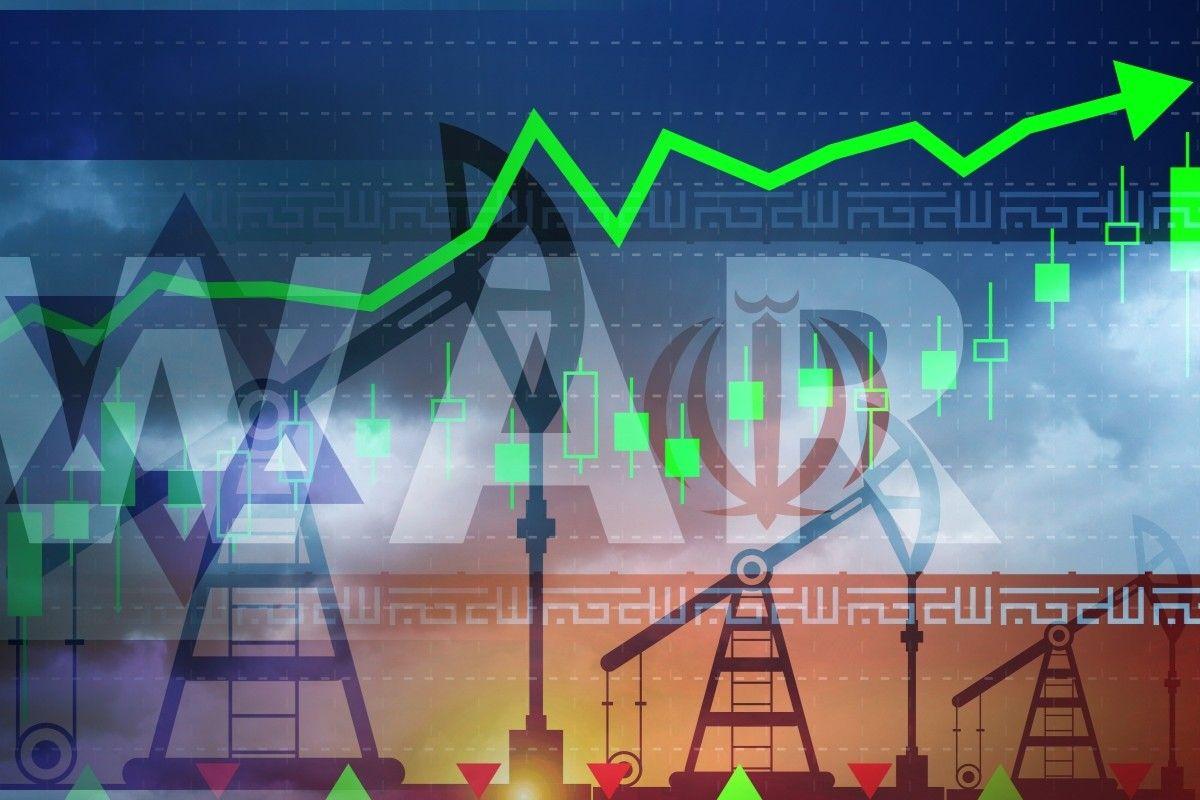
WTI jumped above $100 a barrel after the expanding Iran war drove a violent repricing across crude markets, with traders scrambling to account for supply losses, shipping bottlenecks and a fast-rising geopolitical premium. Brent also surged, and both benchmarks briefly touched levels near $119 in intraday trade, the highest since mid-2022, as the market reacted to disrupted Gulf exports and fears that the Strait of Hormuz was no longer functioning normally.
The move matters well beyond energy desks because oil now sits at the center of the global macro story. When crude rises this quickly, inflation expectations move higher, bond markets reprice rate paths, and equities tied to fuel costs or cyclical demand come under immediate pressure. Risk assets were hit because investors no longer see this as a short-lived headline spike, but as a developing supply shock with direct consequences for growth and policy.
Brent And WTI Break Higher As Gulf Flows Come Under Strain
The latest jump followed an already explosive week. Reuters reported Brent had risen 28% and WTI 36% in the previous week before the fresh gains at the start of March 9 trading. In Monday’s session, Brent rose as much as 29% to about $119.50 a barrel, while WTI climbed as much as 31.4% to roughly $119.48 before paring part of the move. Even after that pullback, the magnitude of the surge pointed to one of the biggest single-session jumps ever recorded in absolute price terms.
That price action reflects a market racing to price missing barrels before inventories show the full damage. Oil traders react first to expected disruption, not just confirmed outages, and the current war has created exactly that setup. Once freight routes are impaired, underwriters lift war-risk premiums, tankers hesitate, and buyers begin bidding for prompt cargoes from safer routes.
Strait Of Hormuz Becomes The Core Transmission Channel
The central mechanism is the Strait of Hormuz, which normally carries around one-fifth of global oil supply. Reuters reported the conflict had virtually shut the route, turning a regional military escalation into a global energy event. As traffic slows or halts, the oil market loses not only physical flow but also confidence in delivery timing, and that lifts front-end prices, freight costs and implied volatility all at once.
The impact is spreading across producers. Iraq and Kuwait have seen output declines, Kuwait has declared force majeure, and Qatar has halted LNG production after infrastructure attacks, according to Reuters reporting. Saudi Arabia and the UAE are also facing constraints linked to storage and export logistics, which reduces the market’s ability to offset Iranian disruption quickly.
Why Oil Is Now Driving Equities, Bonds And FX
Oil is not moving in isolation. A sharp WTI rise feeds directly into inflation expectations through gasoline, diesel, aviation fuel and transport costs. That pushes bond investors to question whether central banks can ease policy as quickly as previously expected, especially if higher energy costs start feeding into consumer prices and business margins in the second quarter.
Equities face the next hit. Energy producers may benefit from a stronger price deck, but airlines, chemicals, industrials, retail and many transport names tend to suffer when crude jumps this fast. The broader risk assets complex also weakens because higher oil tends to tighten financial conditions, pressure earnings estimates and lift volatility across sectors that had been priced for softer inflation and lower rates.
Foreign exchange markets are also exposed. Energy-importing economies in Asia and Europe typically see weaker currencies when crude spikes because trade balances worsen and inflation risks rise. At the same time, the dollar can pick up safe-haven demand, reinforcing the global tightening effect created by higher oil.
Base Case Keeps Crude Elevated And Markets Uncomfortable
The base case is that Gulf supply remains impaired but not fully shut for an extended period. Under that outcome, WTI and Brent stay elevated, strategic stockpile releases and emergency rerouting help contain the worst shortages, and governments focus on cushioning fuel costs rather than solving the conflict quickly. This still leaves oil with a much higher risk premium than it carried in late February and keeps risk assets under pressure.
In this scenario, energy shares can outperform while broader indices struggle to absorb higher input costs. Bond yields remain unstable, and markets trade on each new signal from shipping routes, refinery operations and strategic reserve policy.
Upside Scenario Depends On Supply Relief And Safer Shipping
The upside scenario for markets requires a clear operational trigger. That could come from partial restoration of tanker flows through Hormuz, successful naval protection measures, or coordinated stock releases from major consuming nations. Reuters has reported that governments are already discussing emergency measures, including reserve releases, to stabilize prices and keep the physical market supplied.
If those steps work and no further major infrastructure is hit, supply fears could ease quickly. Oil would still remain high by recent standards, but the pace of the rally would slow, helping bonds stabilize and allowing beaten-down equities to stage a relief rebound.
Downside Scenario Points To A Full Energy Shock
The downside case is a more severe and lasting supply break. If Hormuz remains effectively closed, if additional Gulf infrastructure is damaged, or if producers cannot move stored barrels fast enough, the market could shift from pricing disruption risk to pricing real scarcity. Reuters reported that some officials and market participants are already considering reserve releases because the supply hit may last longer than first expected.
That would push WTI and Brent into a new inflationary phase for the global economy. Credit spreads would likely widen, rate-cut bets would be pushed back, and equities would face a broader reset as investors price slower growth and higher costs at the same time.
Bottom line:
WTI is surging because the Iran war has turned supply fears into a full-market problem, not just an oil headline. The next move depends on whether Gulf flows stabilize quickly or whether the current disruption hardens into a deeper energy shock that drags risk assets lower.