Fujairah Oil Hub Burns After Drone Strike As UAE Supply Risk Jumps

By Tredu.com • 3/16/2026
Tredu
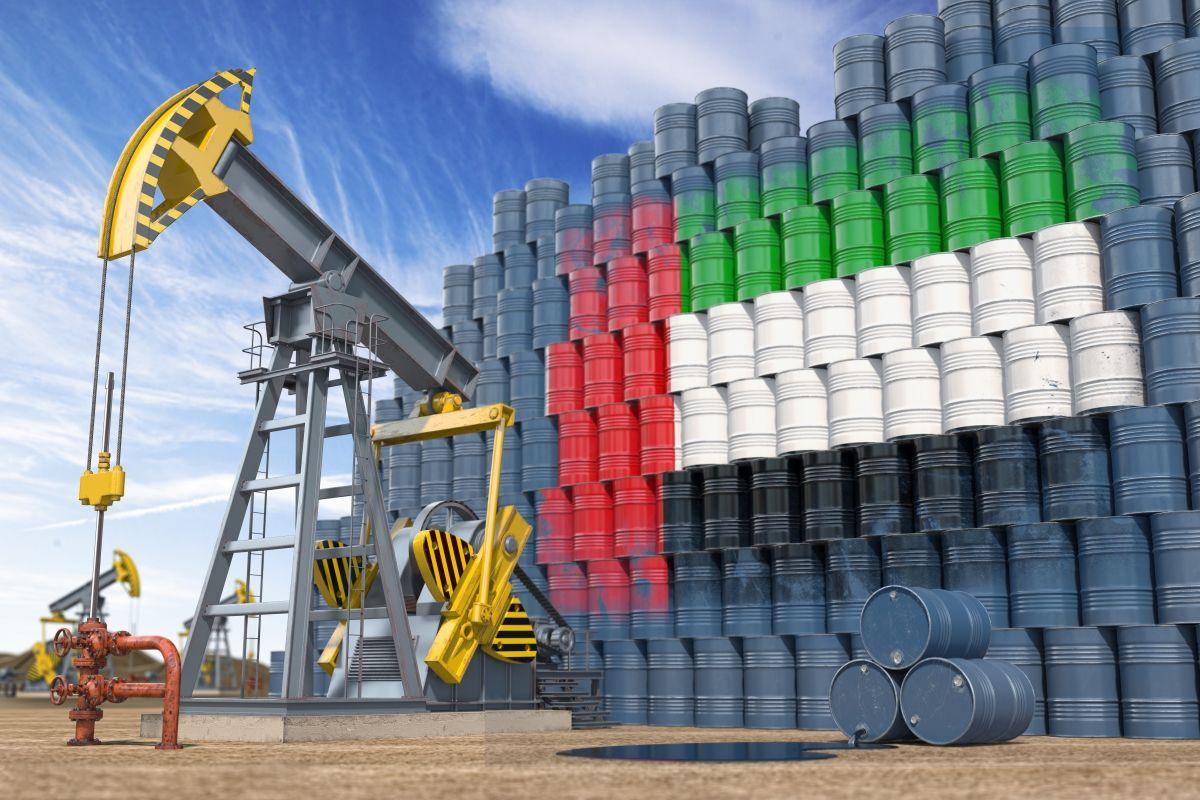
Fujairah Fire Halts Loadings At A Critical UAE Oil Hub
Oil loading operations at the UAE port of Fujairah were suspended on March 16 after a drone strike sparked a fire in the emirate’s petroleum industrial zone, according to two industry sources. The disruption hit one of the Gulf’s most important export and bunkering centers, immediately raising concerns about crude flows, shipping costs and the durability of regional energy infrastructure as the conflict around Iran keeps widening.
The timing matters for markets because Fujairah is not a marginal facility. It is a strategic oil hub outside the Strait of Hormuz and a major outlet for UAE crude exports and fuel storage. When a fire interrupts loadings there, traders do not wait for a long outage to react. They begin repricing delivery risk, tanker availability and the probability that more Gulf energy assets could be hit in the coming days.
Why Fujairah Matters More Than A Single Port Incident
Fujairah sits on the Gulf of Oman and gives the UAE a vital route that partly reduces reliance on the Strait of Hormuz. Reuters reported earlier that the emirate handles around 1 million barrels per day of UAE Murban crude, equivalent to about 1% of global oil demand, while also serving as one of the world’s largest bunkering hubs. That makes any disruption there important for both physical barrels and shipping fuel logistics.
The latest suspension is also the second major disruption in Fujairah in only a few days. Operations had resumed on March 15 after an earlier drone-related incident, only to be interrupted again on March 16 after a fresh fire in the petroleum zone. That pattern changes the market story from an isolated security event into a repeated infrastructure risk, and repeated attacks usually carry a higher premium in oil, freight and insurance markets than a one-off disruption.
Drone Strike Expands Pressure On UAE Energy Networks
The renewed disruption in Fujairah comes as Iranian-linked attacks have increasingly targeted Gulf civilian and commercial infrastructure. Recent strikes and intercepts have affected Dubai airport, Abu Dhabi facilities and Fujairah itself, showing that the conflict is no longer contained to direct military sites. For investors, that broadening target set matters because it raises the odds that logistics chains, port throughput and commercial aviation all remain under pressure even if upstream oil production is not fully shut in.
The market mechanism is direct. When drone attacks hit an oil hub, loading schedules are delayed, tankers may wait offshore, insurers raise war-risk premiums and buyers start competing for safer cargoes from alternative routes. Even a short interruption can tighten prompt supply and lift near-dated crude prices if traders believe the attack may be repeated.
UAE Supply Risk Ripples Across Oil, Shipping And Inflation
The immediate transmission channel is crude. If Fujairah loadings remain suspended for long, or if tanker movements slow further, markets are likely to add another layer of Gulf supply risk on top of the existing Hormuz premium. That is especially important because the UAE has already faced strain at other energy assets during the current conflict, including reported disruptions tied to refinery operations and port warnings.
Shipping is the second channel. Fujairah is central not only for exporting oil but also for marine fuel supply. A fire there can force rerouting, reduce bunkering efficiency and increase voyage costs for vessels moving between Asia, the Middle East and Europe. Higher freight and insurance costs then feed back into refined products, petrochemicals and broader trade flows.
The third channel is inflation. If crude benchmarks rise because traders see the UAE as a more vulnerable link in Gulf exports, that can lift fuel costs globally and complicate central bank expectations. Energy-importing economies in Asia are especially exposed, and equities tied to airlines, transport and industrial input costs can face renewed pressure.
Base Case Keeps Fujairah Operating, But With A Higher Premium
In the base case, the fire is contained relatively quickly and oil loadings resume after a limited suspension, much as operations restarted after the earlier incident. Under that outcome, the UAE retains export flexibility, but Fujairah would still carry a higher security premium. Crude prices could stay elevated even if physical flows normalize, because markets would assume the risk of repeat attacks has risen.
Upside Scenario Depends On Fast Repairs And Stronger Protection
The upside scenario for markets requires two clear triggers. First, civil defense and port authorities would need to restore normal loading activity without evidence of significant storage or pipeline damage. Second, the UAE would need to convince shipowners and insurers that air defenses and security measures around Fujairah can limit further disruption. If those conditions are met, part of the latest supply risk premium could unwind and energy equities might give back some of their war-driven outperformance.
Downside Scenario Is A Broader Gulf Infrastructure Shock
The downside scenario is that the Fujairah fire proves to be the start of a broader campaign against UAE energy nodes. If further drone attacks hit port infrastructure, storage tanks or related facilities in the emirate, buyers may begin treating UAE barrels more like at-risk Gulf supply rather than comparatively secure alternative flow. That would pressure shipping, widen insurance spreads and could force governments into emergency responses to stabilize the market. Reuters and other reporting already show the conflict has spread to airports, ports and commercial infrastructure across the Gulf, which makes that risk difficult to dismiss.
Bottom line:
The Fujairah fire matters because it strikes at a vital UAE oil hub that helps keep Gulf exports moving even when Hormuz is under strain. If loadings restart quickly, the damage may remain manageable, but repeated drone attacks would turn Fujairah from a fallback route into another front-line market risk.
Other News

XM Launches "Worldwide Partner Ladder – Beat Your Best" Promotion, Offering Partners Up to $40,000 in Rewards
By Tredu.com · 7/14/2026

The Role of Intelligent Forex Trading Systems in Optimizing Algorithmic Trading Performance
By Tredu.com · 5/20/2026

How Machine Learning Forex Trading Bot Enhances Predictive Accuracy in Forex Markets
By Tredu.com · 5/20/2026