Goldman Lifts Oil View As Historic Supply Shock Rewrites Energy Trade

By Tredu.com • 3/23/2026
Tredu
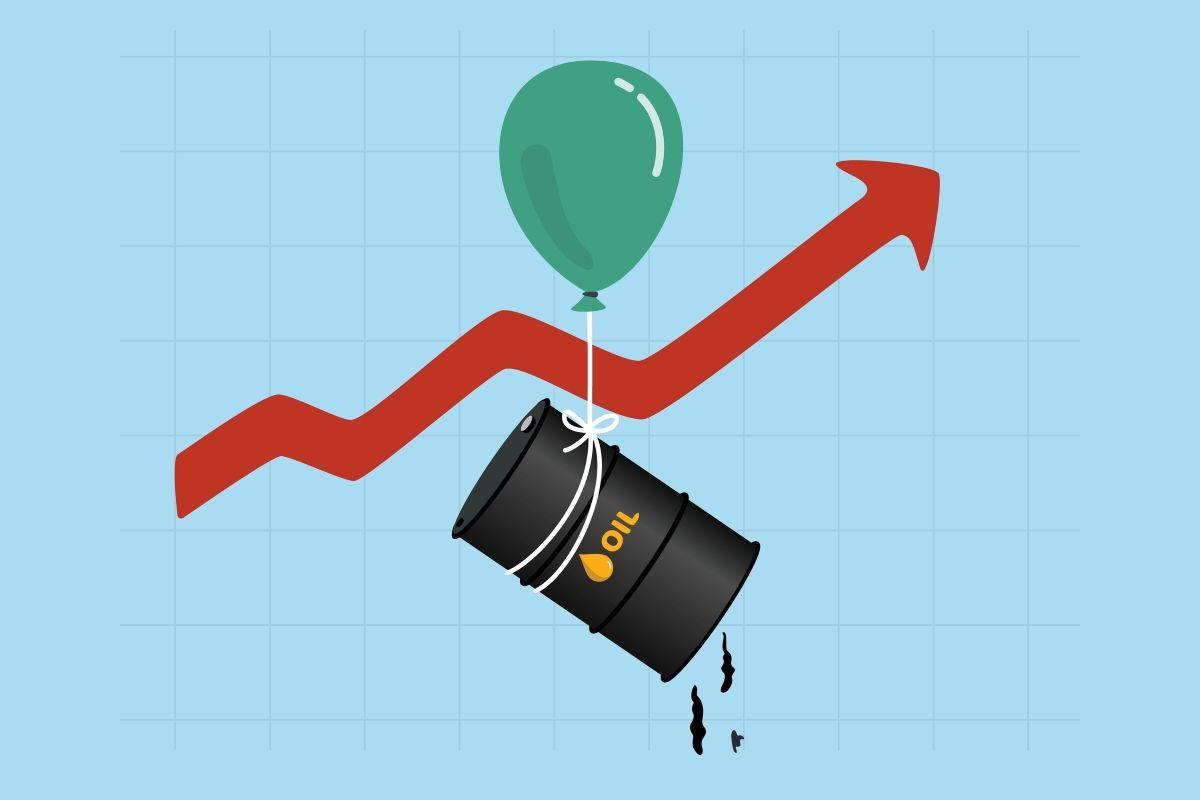
Goldman Is No Longer Treating This As A Short Oil Spike
Goldman Sachs has raised its oil forecasts again, and the significance lies less in the numerical change than in what it says about the bank’s view of the current energy crisis. Goldman now expects Brent to average $85 a barrel in 2026, up from $77, and WTI to average $79, up from $72. For March and April, the bank lifted its Brent expectation to $110 from $98, reflecting a market it sees as much tighter and more fragile than previously assumed.
That shift matters because banks do not usually keep revising oil higher unless they believe the disruption is moving from a price event to a structural supply problem. Goldman’s latest note effectively says the market is no longer trading a temporary Gulf scare. It is trading a prolonged dislocation in flows, stockpiling behavior and risk pricing across the whole crude complex.
The Forecast Upgrade Signals A Bigger Change In Market Psychology
A higher average price forecast can sound incremental, but this one lands differently. Goldman is responding to what it describes as extended disruption in shipments through the Strait of Hormuz and tighter physical balances created by strategic stockpiling. That combination tends to keep prices elevated even when the daily headline flow turns quieter, because the market starts treating every barrel as less replaceable.
This is what makes the call important for investors. The oil market is no longer being driven only by immediate damage reports. It is being driven by the belief that inventories, rerouting capacity and emergency reserves may not fully absorb the shock. Once that mindset takes hold, crude starts carrying a larger geopolitical premium, and that premium feeds directly into broader macro pricing.
Goldman’s Risk Case Shows How Much More Violent The Move Could Become
The more eye-catching part of Goldman’s update is not the base case, but the risk case. The bank sees Brent potentially reaching $135 a barrel under a scenario involving a severe 10-week disruption and a persistent 2 million barrel-per-day production loss. That is the level where energy stops being a commodity story and becomes a serious macro shock for inflation, monetary policy and consumer demand.
The warning lands at a time when crude is already trading near four-year highs and the Strait of Hormuz has been heavily impaired for weeks. Reuters reported that the conflict has already removed large volumes from the market and forced producers and traders to operate under severe uncertainty around shipping, storage and export recovery.
The Real Trade Is Inflation, Not Just Oil
When Goldman raises oil forecasts in this kind of environment, the impact spreads far beyond energy equities. Higher crude immediately changes the inflation outlook, because fuel costs feed into transport, manufacturing, food logistics and household spending. That then affects interest-rate expectations, which is why bond yields, equity multiples and currencies all start to move off the same oil signal.
This is especially relevant now because markets had already been questioning how quickly central banks could cut rates in 2026. A more durable oil shock makes that path harder, not easier. If crude averages materially above prior forecasts, inflation stays sticky for longer, and risk assets have to absorb both higher costs and a less friendly policy backdrop.
Energy Shares Win First, But The Rest Of The Market Pays
The first beneficiaries of a higher Goldman oil forecast are obvious: upstream producers, some oil services names and parts of the commodity trade. Those groups tend to gain when the market begins pricing tighter balances and stronger realized prices over a longer period. But the winners are only one side of the equation.
The larger market cost falls on sectors that consume energy rather than sell it. Airlines, transport, chemicals, industrials and consumer-facing businesses all become more exposed when oil stays high for longer. Emerging markets that import large amounts of crude can also face currency and current-account pressure, which widens the impact well beyond the S&P energy sector.
The Upgrade Also Tells You Goldman Sees Lasting Damage, Not Quick Repair
The deeper message in the forecast change is duration. Earlier in March, Goldman was already warning that longer disruption in Hormuz justified higher fourth-quarter oil assumptions. The latest increase to annual averages suggests the bank now sees the after-effects stretching much further into 2026, even if the worst of the crisis eventually fades.
That view lines up with the broader market concern that the Gulf is dealing not just with missing shipments, but with a loss of confidence in the reliability of supply routes. Once insurers, tanker owners and strategic buyers start acting on that assumption, prices can remain elevated even after physical flows begin recovering. That is how an acute shock turns into a drawn-out repricing.
Base Case, Upside Scenario, Downside Scenario
In the base case, Goldman’s revised forecasts prove directionally right: crude stays firmer for longer, Brent averages in the mid-$80s for 2026, and the market keeps a meaningful war premium in place while supply normalizes only gradually. Under that outcome, energy shares remain supported and inflation-sensitive assets continue to face pressure.
The upside scenario for oil is the one Goldman highlighted most clearly, a severe and lasting disruption that pushes Brent toward $135. That would likely coincide with deeper Gulf outages, slower recovery in Hormuz traffic and stronger precautionary stockpiling by major importers. If that happens, the market would start pricing a much more serious global slowdown risk alongside the inflation shock.
The downside scenario for oil, and the more positive one for broader markets, is de-escalation. Goldman itself noted that reduced U.S. military pressure or other policy actions could alter prices and the Brent-WTI spread. A clearer reopening path for Gulf flows would allow crude to retreat from current stress levels and reduce pressure on rates, consumers and non-energy equities.
Bottom line:
Goldman’s new oil call matters because it treats the current disruption as a lasting supply shock rather than a passing panic. That raises the stakes far beyond crude itself, forcing markets to reprice inflation, policy and growth through a much harsher energy lens.
Other News

XM Launches "Worldwide Partner Ladder – Beat Your Best" Promotion, Offering Partners Up to $40,000 in Rewards
By Tredu.com · 7/14/2026

The Role of Intelligent Forex Trading Systems in Optimizing Algorithmic Trading Performance
By Tredu.com · 5/20/2026

How Machine Learning Forex Trading Bot Enhances Predictive Accuracy in Forex Markets
By Tredu.com · 5/20/2026