How Data-Driven Forex Technology Improves Trade Evaluation and Timing

By Tredu.com • 2/12/2026
Tredu
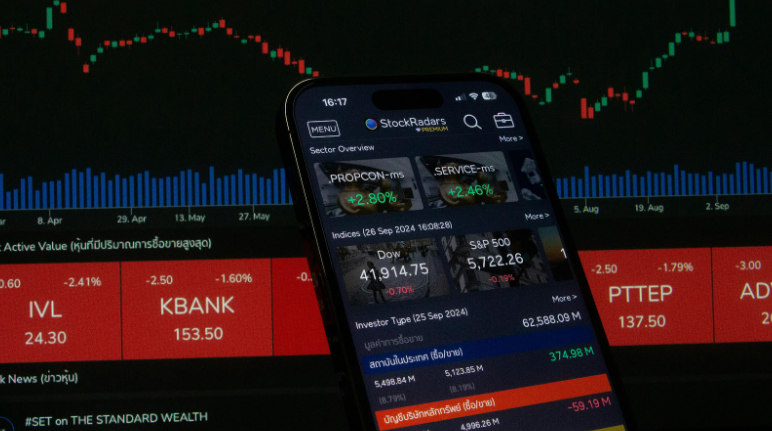
In the fast-moving currency market, small timing differences can really separate a well-executed trade from a missed opportunity. Today, advanced analytics enables you to turn raw market data into actionable insights, helping you approach entries and exits with clarity rather than guesswork.
The modern foreign exchange market really moves too quickly for manual analysis to keep up. Relying solely on hindsight is like steering while watching what already passed.
Digital solutions change that equation by processing global news, historical behavior, and real-time liquidity shifts simultaneously. This shift ensures your decisions are based on evidence, not emotion, and grounded in what the market is doing right now.
The Shift from Hindsight to Real-Time Precision
Traditional trade evaluation often occurs after a position is closed, leaving you to dissect what went wrong rather than act sooner. Modern tools bring that evaluation into the live environment. Rather than waiting for summaries at the end of the session, you can monitor how volatility and liquidity evolve as trades unfold.
This transparency matters in a decentralized market with no single exchange. When you rely on data-driven forex software to track multiple liquidity providers simultaneously, you reduce blind spots that often cause slippage.
You can confirm whether the on-screen price reflects the best available value before committing capital, thereby tightening your execution and improving confidence.
Refining Execution with Actionable Intelligence
Evaluating a trade now goes beyond picking direction. Execution method plays an equally important role. Advanced systems help you decide whether a standard market order or an algorithmic approach is more suitable for current conditions.
By analyzing how similar environments behaved historically, these tools offer a forward-looking framework rather than reactive judgment.
Integrating high-performance, data-driven forex software into your workflow also exposes hidden costs, such as spread expansion during periods of thin liquidity. Recognizing these patterns protects long-term profitability by helping you avoid situations that appear attractive but carry elevated execution risk.
Mastering the Art of Perfect Entry Timing
In forex, timing is rarely based on a precise entry at a given price level. Rather, it is a matter of entering when the momentum is right.
This is exactly where data-driven systems excel: filtering out market noise that often distracts human traders. Rather than reacting to every single move in the markets, you are able to focus on a situation in which the probability is on your side.
These systems highlight subtle changes in trend, momentum, and participation that are often difficult to discern at a quick glance, especially in fast-moving, sometimes overlapping trading sessions.
For effective forex trading, several layers must be considered. First, volatility analysis lets you see not just the direction you need to go in, but also the magnitude of that movement. This helps you assess whether the level of movement is sufficient to enter the markets and where the risk level realistically needs to be.
Next, sentiment tracking lets you see the extent to which macroeconomic events, central bank communications, and even social media affect the markets. Finally, tracking correlated assets lets you see how commodities such as gold and oil, as well as bond markets, are performing.
Minimizing Emotional Bias Through Automation
One of the biggest challenges in trade evaluation is managing your own reactions. Fear and greed can push you to exit winners too early or cling to losing positions.
Digital systems act as a neutral partner, delivering consistent data even when market pressure increases. By shifting continuous decision-making into a structured environment, you reduce mental fatigue that often undermines judgment during volatile sessions.
Predefined rules based on probability replace instinct. When the data supports trend continuation, you stay positioned with confidence. If conditions change, alerts arrive immediately, giving you time to adjust before losses escalate. This removes reliance on hope, a common factor behind delayed exits.
Automation also brings execution consistency that manual trading struggles to match. Every action follows your documented strategy regardless of distractions or external noise. That discipline keeps timing precise under pressure, transforming trading from an emotional battle into a controlled, logic-driven process.
Building a Sustainable Strategy for the Future
The currency market is becoming increasingly fragmented due to the emergence of new platforms and liquidity pools. If you want to be competitive, data must be your primary focus. When you understand the relationship between economic indicators and currency movements, you can build strategies that adapt to changing conditions.
When you look deeper than what’s happening on the surface, you can then learn to understand why something is happening, not just what’s happening. And that, combined with the right tools, will ensure that your trade evaluation remains strong and your timing remains accurate, regardless of what’s happening globally.
These are no longer tools that are exclusive to institutional traders. They are now must-haves for anyone who wants to perform consistently in this forex market, particularly as volatility cycles are shortening and the data-driven nature of the market.