Iran And Israel Energy Strikes Rattle Trade Routes And Oil Markets

By Tredu.com • 3/19/2026
Tredu
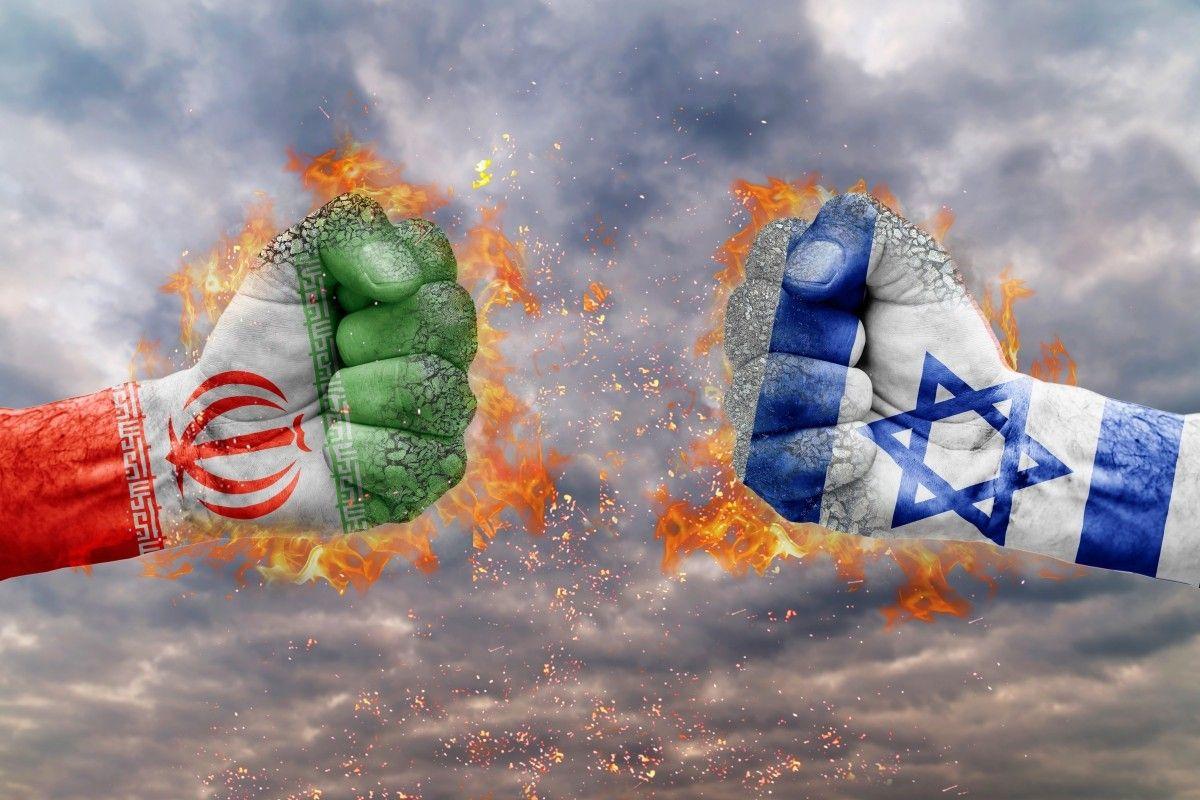
Iran And Israel Exchange Energy Blows As Trade Routes Come Under Pressure
Iran and Israel traded strikes on major energy facilities, deepening the economic fallout from the regional war and pushing global markets to reprice trade and supply risks across the Gulf. The latest phase of the conflict has hit gas installations, refineries and export infrastructure, complicating efforts to keep energy moving through a region already strained by the effective shutdown of the Strait of Hormuz.
The escalation matters because energy infrastructure is not only a military target, it is the backbone of regional trade. When oil and gas facilities are struck, the impact moves quickly from production and shipping into freight costs, insurance premiums, inflation expectations and equity market sentiment. That is why crude has surged back above $100 a barrel, with Brent rising above $115 intraday on March 19 and U.S. crude also jumping as traders priced a longer and more dangerous disruption.
Israeli Strike On Iranian Gas Assets Triggered The Latest Retaliation
The latest market shock was set off after Israel struck Iranian gas infrastructure, including facilities linked to South Pars and Asaluyeh, two of the most important pillars of Iran’s gas system. Tehran then warned Gulf energy installations to evacuate and retaliated with attacks on energy sites in neighboring states, widening the conflict from a bilateral military fight into a broader regional energy crisis.
That sequence matters for investors because it confirms a dangerous new pattern. The war is no longer centered only on missiles, ports or military bases. It is directly targeting the infrastructure that powers exports, industrial production and shipping confidence across the Gulf. Once that threshold is crossed, the market starts treating every refinery, LNG terminal and pipeline as a potential source of fresh supply loss.
Trade Routes Face A Double Shock From Damage And Deterrence
The first hit to trade comes from physical disruption. Reuters reported that Iranian retaliation damaged facilities in Qatar, Kuwait and Saudi Arabia, including attacks around Ras Laffan, SAMREF in Yanbu and Kuwaiti refineries. Even where operations are not fully halted, each incident can slow loading schedules, delay cargoes and reduce the willingness of shipowners to enter threatened waters.
The second hit comes from deterrence. Shipping companies, insurers and commodity traders do not need every terminal to shut for trade to become more expensive. War-risk premiums rise, vessels queue longer at alternative ports and buyers start paying more for prompt cargoes from safer routes. That dynamic is already visible in the Gulf, where the blockade and infrastructure attacks have forced producers to rely on bypass pipelines that are nearing capacity.
Oil And LNG Markets Are Repricing A Longer Conflict
The most direct market channel is oil. Brent surged above $115 before settling lower on March 19, while U.S. crude also advanced sharply as attacks multiplied across Middle East energy assets. These moves reflect a market that is no longer reacting to one isolated incident, but to the prospect of prolonged instability across a region central to global supply.
Gas markets are also exposed. Reuters reported extensive damage at Qatar’s Ras Laffan industrial hub and warned that LNG production outages could threaten around one-fifth of global LNG supply. That turns this from an oil-only story into a broader energy shock, especially for Europe and Asia, where importers are sensitive to both crude and LNG disruptions.
Why Financial Markets Care Beyond Commodities
The trade and market impact stretches well beyond energy futures. Higher oil and gas prices feed directly into inflation, and that makes it harder for central banks to cut rates. Reuters reported that global stocks fell sharply on March 19 as the conflict worsened, with Asia-Pacific equities dropping and the dollar strengthening as investors priced stagflation risk.
Equities face a split outcome. Energy producers can benefit from a stronger price deck, but airlines, transport groups, chemicals and industrial names are vulnerable when fuel and freight costs rise too quickly. Credit spreads can widen for companies with thin margins, while import-dependent currencies tend to weaken as the cost of energy and trade protection increases. That is how a strike on a refinery or gas field becomes a cross-asset event.
Base Case Keeps A High Risk Premium In Place
In the base case, Iran and Israel continue trading selective strikes on energy assets without causing a total collapse in Gulf exports. Under that outcome, oil remains elevated, shipping and insurance stay expensive, and markets keep a significant geopolitical premium embedded in commodities and risk assets. This would still leave global trade functioning, but at a higher cost and with less flexibility.
Upside Scenario Depends On Containment And Route Stability
The upside scenario requires two clear triggers. First, attacks on major energy installations would need to stop. Second, tanker traffic and export facilities would need to show enough operational stability to bring down freight and insurance costs. If both happen, oil could retreat from current highs, and broader market volatility would likely ease as traders conclude the worst supply fears were overstated.
Downside Scenario Points To A Larger Trade Shock
The downside scenario is that the strikes continue to spread across Gulf infrastructure, turning intermittent disruption into a more durable trade shock. If additional LNG hubs, refineries or bypass export routes are hit, markets may start pricing real scarcity rather than temporary interruption. That would push oil and gas higher, deepen inflation risk and keep pressure on global stocks, bonds and currencies. Reuters has already reported that the IEA sees the current conflict as producing the largest oil supply disruption on record, which shows how little room the market has for another leg lower in available exports.
Bottom line:
Iran and Israel have turned energy infrastructure into the economic front line of the war, and that is now hitting trade routes as much as military targets. As long as strikes keep threatening Gulf oil and gas assets, markets will continue pricing higher freight, higher inflation and a deeper risk premium across global assets.
Other News

XM Launches "Worldwide Partner Ladder – Beat Your Best" Promotion, Offering Partners Up to $40,000 in Rewards
By Tredu.com · 7/14/2026

The Role of Intelligent Forex Trading Systems in Optimizing Algorithmic Trading Performance
By Tredu.com · 5/20/2026

How Machine Learning Forex Trading Bot Enhances Predictive Accuracy in Forex Markets
By Tredu.com · 5/20/2026