Iran Protests Spread as U.S. Venezuela Move Lifts Market Volatility

By Tredu.com • 1/5/2026
Tredu
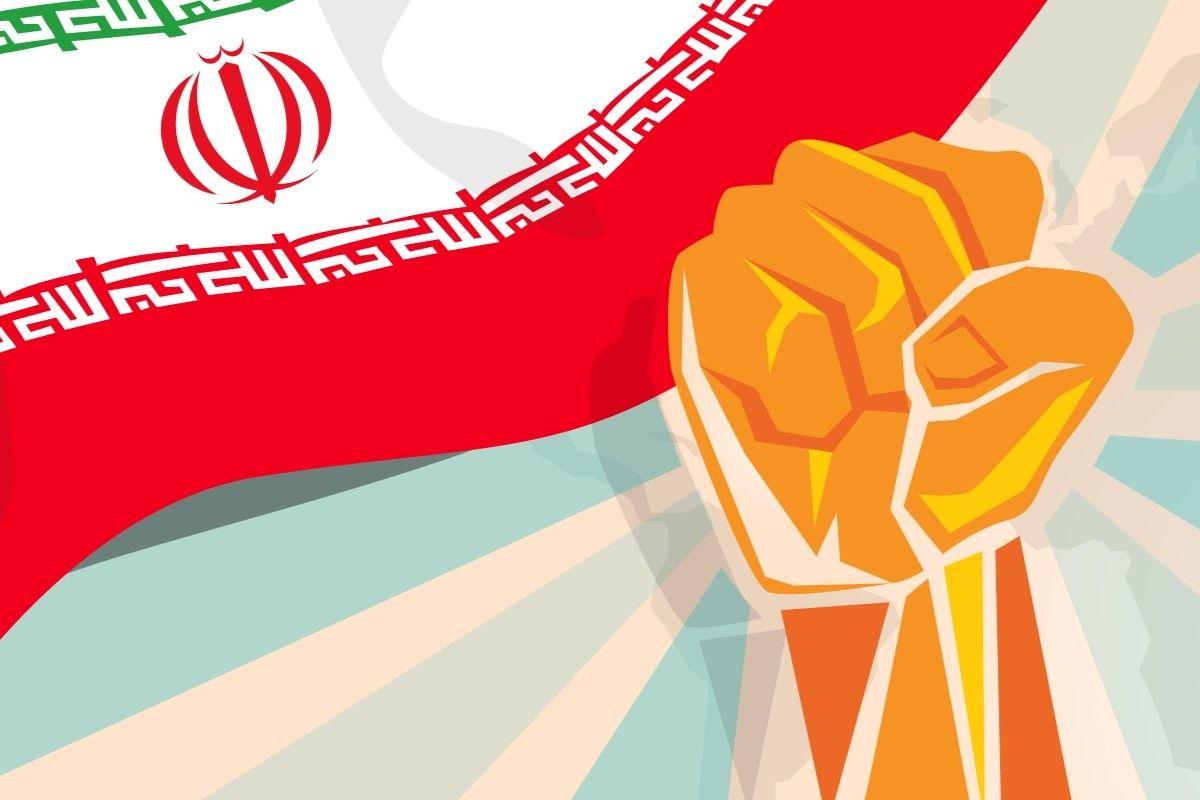
Iran protests spread as inflation and currency stress intensify
Iran protests January 2026 began on Dec. 28 and have spread beyond Tehran into multiple cities, driven by a cost-of-living squeeze, a sharp slide in the rial and rising frustration over jobs and living standards. Rights groups and officials have reported at least 17 deaths in the first week of unrest. In several cities, chants moved from economic demands into slogans targeting Iran’s leadership, raising the stakes for a government already constrained by sanctions and a fragile domestic economy.
The market relevance is indirect but powerful. Iran sits on major energy routes and is central to Middle East risk pricing. When protests spread and political tension rises, investors tend to lift market volatility in 2026 through hedges, not only in oil but also in gold, FX, and emerging-market credit.
The U.S. Venezuela move raises fears of faster escalation
A U.S. Venezuela move in recent days has added a new layer of uncertainty for Tehran. After President Donald Trump said on Jan. 2 that the United States would intervene if Iran’s authorities violently killed peaceful protesters, U.S. forces captured Venezuela’s President Nicolas Maduro and his wife in Caracas and transferred them to the United States to face charges, according to U.S. officials. Iranian officials familiar with internal discussions said the Caracas operation increased fears that Washington might be willing to pursue sudden coercive action elsewhere if it believes the risks are manageable.
Iran condemned the move and rejected any foreign role in its domestic politics. For markets, the key effect is probability, not certainty. When investors perceive that escalation pathways have shortened, they pay more for protection, and oil hedges and gold become the quickest expressions of that shift.
Economic pressure is the fuel, and the government’s tools are limited
Iran’s economy has been under strain, with the rial losing roughly half its value against the dollar in 2025 and official inflation running high. The government has tried to signal responsiveness by rolling out targeted support. From Jan. 10, authorities plan to issue a monthly electronic grocery credit of 10,000,000 rials per person, around $7, usable only at selected stores and not convertible to cash.
The package is designed to blunt immediate pain, but it does not address the mechanism driving public anger, the exchange-rate slide that quickly raises import costs and pushes up food, medicine and consumer goods. Sanctions and weak confidence limit the ability to stabilize the currency without deeper changes, leaving leaders with a narrow corridor between tighter policy that hurts growth and looser policy that worsens inflation.
Security stance hardens as leaders signal low tolerance for political slogans
Authorities have treated street unrest as a security challenge while arguing that economic grievances are understandable. Witness accounts from major cities described heavy deployments around key squares, and tear gas has been used in some clashes. Officials have said at least two members of the security forces were killed and more than a dozen injured.
Supreme Leader Ayatollah Ali Khamenei has blamed enemies for fomenting unrest and called for rioters to be punished, language that increases the risk of a wider crackdown if protests continue. A harsher response can also intensify external pressure and keep international markets focused on escalation scenarios rather than on a rapid return to stability.
How market volatility in 2026 shows up: oil, FX, and safe havens
The most direct global channel is Strait of Hormuz risk. Any disruption around the shipping corridor can lift crude options implied volatility, raise tanker insurance costs, and tighten short-dated physical spreads even before spot benchmarks move materially. Iran is also linked to regional proxy networks, so investors watch for any spillover that could touch maritime traffic.
Gold typically benefits when geopolitical uncertainty rises, particularly when the uncertainty is not tied to a clear economic cycle. Gold demand can also rise if investors worry that energy prices will climb and complicate disinflation, a condition that can keep real yields volatile. The dollar reaction is more conditional: a classic risk-off move can support the dollar versus higher-beta currencies, while fears about prolonged U.S. involvement can muddy the pattern, especially if oil rises and inflation concerns lift long-end yields.
For equities, the impact is usually felt through sectors. Energy can outperform on a risk premium, airlines and transport can lag on fuel costs, and rate-sensitive growth stocks can face pressure if an energy move pushes yields higher.
Base case, upside, downside scenarios with clear triggers
The base case is that protests remain serious but episodic, with authorities mixing targeted relief and enforcement, and no immediate escalation that touches shipping routes. Under this path, market volatility in 2026 stays elevated in options and hedges, but spot moves remain contained unless new data points emerge.
The upside scenario for risk assets would require de-escalation signals, fewer reported deaths, a clear reduction in street clashes and quieter rhetoric from Washington. That would likely reduce hedging demand and ease oil risk premia.
The downside scenario is tied to specific triggers: a sharp increase in fatalities from protests, evidence of widespread lethal force, or any incident that raises Strait of Hormuz risk through threats or disruptions. Those outcomes would likely lift oil hedges and gold, widen emerging-market spreads, and tighten global financial conditions.
What to watch next
Watch the scale and frequency of demonstrations in the next week and whether authorities change tactics, because that will determine whether protests spread further. Monitor any new U.S. policy actions beyond statements, since follow-through would change the perceived escalation path. Track crude options implied volatility and Gulf shipping insurance rates for early signs that the market is pricing higher risk. Watch gold flows and positioning for confirmation that oil hedges and gold demand are rising together. Finally, watch the rial and domestic pricing, since renewed currency weakness can ignite additional unrest.
Other News
The Role of Intelligent Forex Trading Systems in Optimizing Algorithmic Trading Performance
By Tredu.com · 5/20/2026
How Machine Learning Forex Trading Bot Enhances Predictive Accuracy in Forex Markets
By Tredu.com · 5/20/2026

FinancialMarkets.media granted the Official Google Partner certification
By Tredu.com · 5/20/2026