Japan Clears Restart of Kashiwazaki-Kariwa, World’s Largest Plant

By Tredu.com • 12/23/2025
Tredu
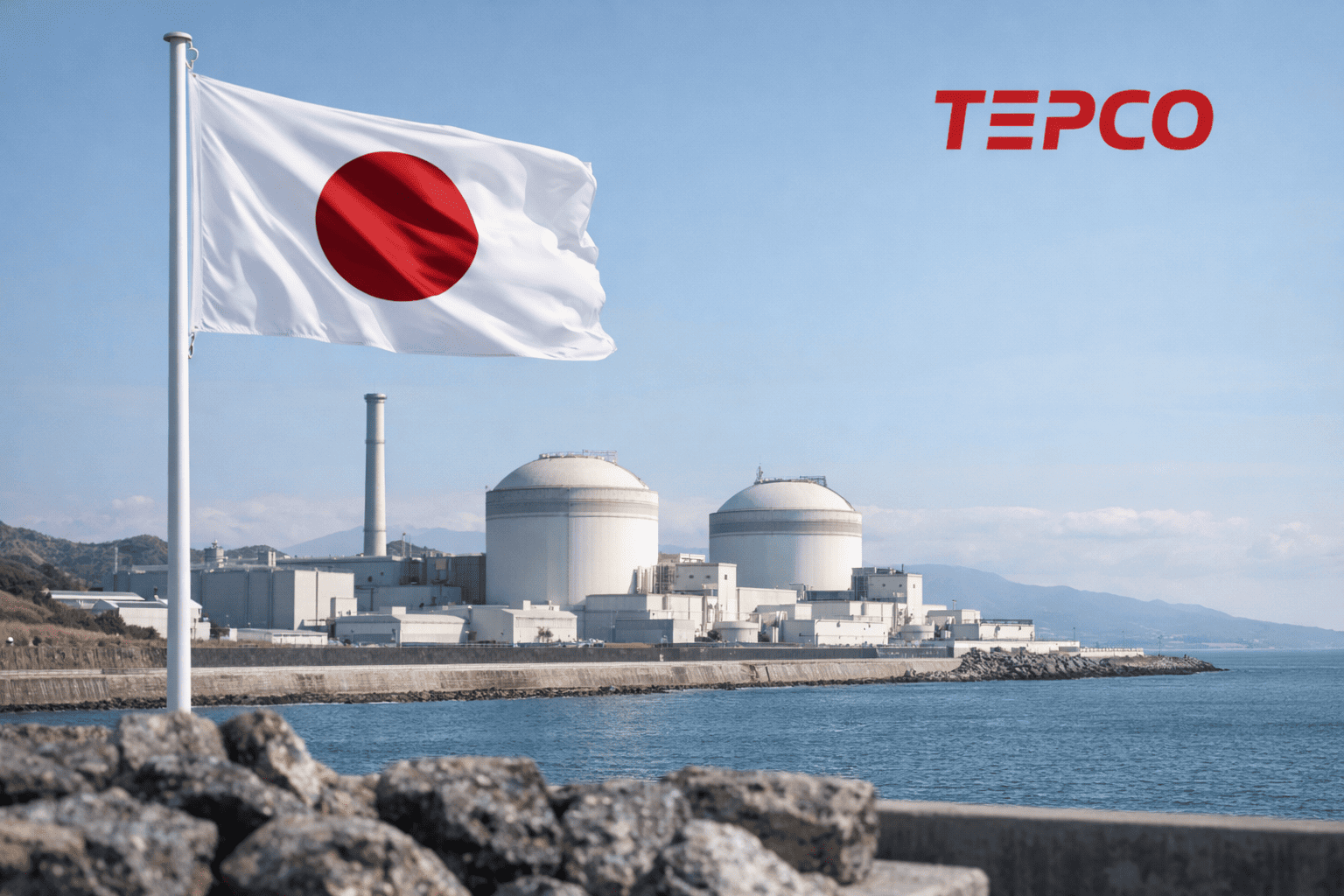
A regional green light for an 8.2 GW complex
Japan cleared the Kashiwazaki-Kariwa restart on Monday, December 22, setting up the return of the world’s largest plant to the national grid. For TEPCO, it is the first reactor restart since the 2011 Fukushima disaster. The decision followed a confidence vote in Niigata’s prefectural assembly backing Governor Hideyo Hanazumi, a pivotal step in a process that mixes national energy policy with local consent.
Kashiwazaki-Kariwa sits on the Sea of Japan coast about 220 km northwest of Tokyo and has seven reactors with total capacity of 8.2 gigawatts. TEPCO plans to restart one 1.36 GW unit first, and local media have reported the company is considering January 20, 2026 as a target date. A second unit of similar size is expected later in the decade, spreading the supply boost over several years rather than delivering an immediate step-change.
The assembly vote matters because it clears a key political hurdle in a country where nuclear restarts require more than technical compliance. Even after regulatory checks, operators need acceptance from host communities that still focus on evacuation planning, seismic risk and trust in utilities.
Safety trust and the Niigata backlash
The restart has exposed sharp divisions in Niigata. Demonstrators protested outside the assembly, and opponents argued the vote did not reflect resident sentiment. Prefecture surveys have shown many residents do not believe conditions for restart have been met, and many say they remain worried about TEPCO operating the plant.
TEPCO has pledged ¥100 billion of spending in the prefecture over 10 years, positioning the restart as a source of jobs and investment. Still, money is not a substitute for confidence in crisis management. The political test will be whether the operator can pair the restart timetable with transparent safety reporting and credible emergency preparedness.
Why this matters for power prices and imported fuels
Japan’s energy system remains highly import-dependent. Fossil fuels account for roughly 60% to 70% of electricity generation, leaving power prices sensitive to LNG and coal costs and to currency swings. Japan spent about ¥10.7 trillion last year on imported LNG and coal, keeping energy security and affordability high on the policy agenda.
The trade ministry has estimated that one Kashiwazaki-Kariwa unit could lift electricity supply to the Tokyo region by around 2%. If the plant returns on schedule, it can reduce the need for gas-fired generation at the margin during tight periods, lowering wholesale prices and trimming fuel burn. The effect is likely to show up first in peak pricing and utility procurement decisions rather than in an immediate drop in retail bills.
Japan’s nuclear revival and the 2040 goal
After Fukushima, Japan shut down its nuclear fleet and then restarted units gradually under stricter rules. Fourteen of the 33 reactors considered operable have returned to service, and nuclear output in 2025 has climbed to its highest level since 2011. Kashiwazaki-Kariwa is the most consequential remaining asset because of its scale and symbolism; if it restarts, it becomes the first TEPCO-operated nuclear plant to run again since Fukushima.
The restart also supports Japan’s longer-run plan to double nuclear’s share of the power mix to 20% by 2040, a target intended to support decarbonization while insulating the economy from imported fuel shocks. Officials also expect electricity demand to rise over the coming decade as data centers expand and AI workloads increase, strengthening the case for firm domestic generation.
Market implications to watch
The near-term sensitivity is highest for domestic utilities and for fuel import expectations. More nuclear generation generally improves utility cost structures and can modestly reduce Japan’s incremental LNG demand over time. For TEPCO, a successful restart could reduce the company’s risk premium by improving perceptions of operational competence, though it will not erase long-running Fukushima liabilities.
Investors will also watch how quickly the operator can move from political clearance to operational certainty. Confirmation of the January 2026 window, clarity on which unit restarts first, and a defined schedule for the second unit will shape how markets price the supply impact.
What comes next
The next steps are procedural and operational: finalizing a restart date, completing pre-start inspections and readiness drills, and communicating clearly with residents on evacuation planning. Japan clears restart of Kashiwazaki-Kariwa, the world’s largest plant, but the durability of the outcome will depend on sustained local consent and consistent safety execution once the first unit is running.
Other News

The Role of Intelligent Forex Trading Systems in Optimizing Algorithmic Trading Performance
By Tredu.com · 5/20/2026

How Machine Learning Forex Trading Bot Enhances Predictive Accuracy in Forex Markets
By Tredu.com · 5/20/2026

FinancialMarkets.media granted the Official Google Partner certification
By Tredu.com · 5/20/2026