Trump Taps Louisiana Gov. Landry as Greenland Envoy, Denmark Bristles

By Tredu.com • 12/23/2025
Tredu
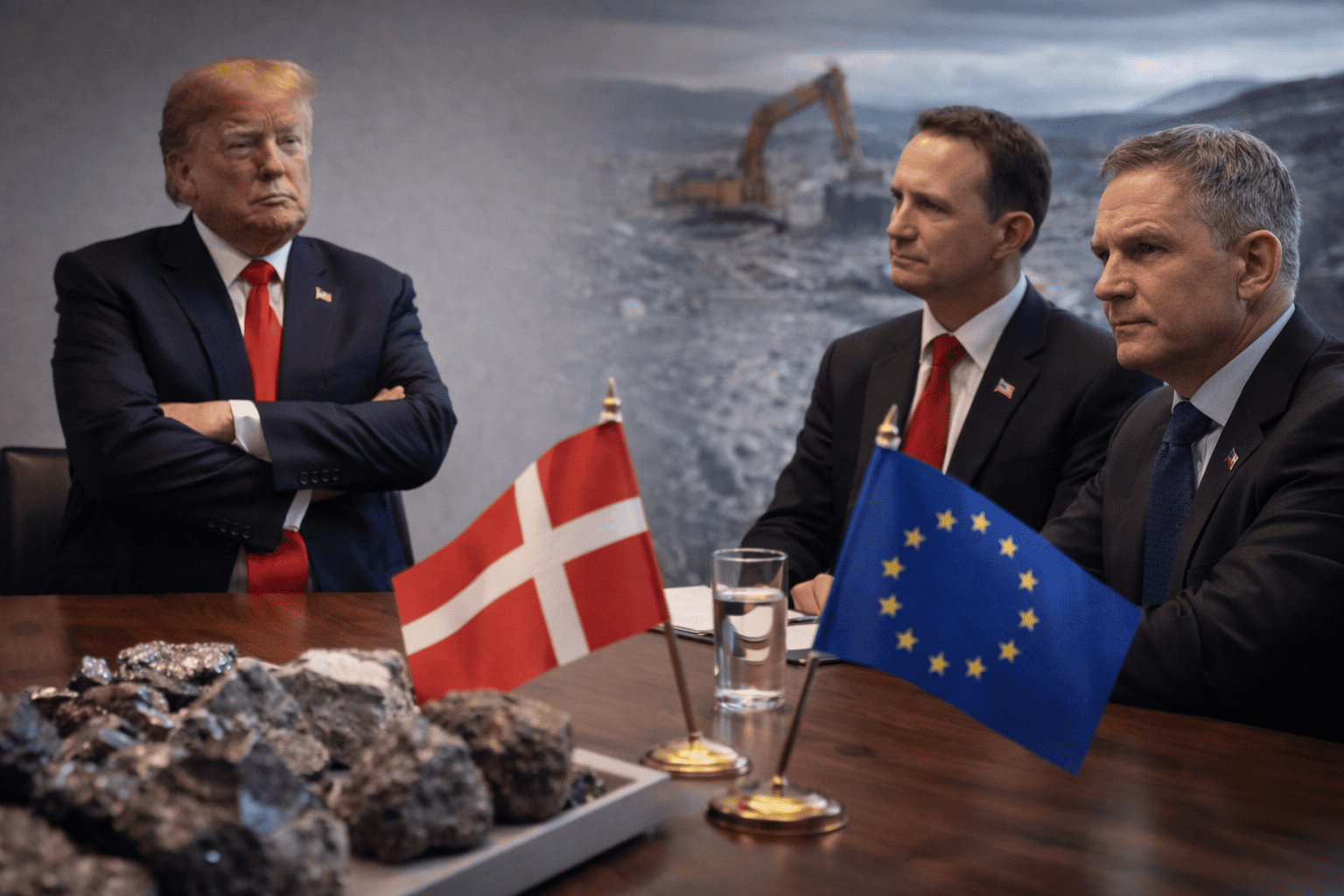
Appointment reignites Greenland dispute and NATO friction
President Donald Trump taps Louisiana Gov. Jeff Landry as Greenland envoy, an appointment announced on December 22, 2025 that immediately sharpened tensions with Denmark and Greenland’s own leaders. Denmark bristles and protests over the move, treating it as a fresh escalation in Washington’s push to increase leverage over the Arctic territory and its strategic footprint.
The Greenland special envoy appointment matters because it lands at the intersection of security policy and commodity strategy. Greenland is part of the Kingdom of Denmark but largely self-governing, and it sits astride Arctic routes and military infrastructure that the U.S. already relies on. Reopening the issue introduces political risk for a NATO ally, and it brings investor attention back to how Arctic geopolitics could affect defense budgets, resource development and North Atlantic trade flows.
What Trump and Landry are signaling
The White House framed the envoy role as a national security assignment, with Landry expected to engage Greenland’s political leadership and Denmark while advocating U.S. priorities. Trump has argued that U.S. interests require tighter control over Greenland’s security environment, and his decision to appoint a sitting state governor signals the issue is being treated as a political priority rather than a routine diplomatic portfolio.
Landry, who remains Louisiana’s governor, has positioned the appointment as a volunteer role aligned with U.S. strategic goals. That combination, a high-profile political figure tied to a sensitive foreign-policy dispute, is part of why Denmark is reacting forcefully. It also raises the probability of more public messaging and sharper rhetoric, which tends to widen the range of possible outcomes in market thinking, even when the near-term policy path is unclear.
Why Greenland matters for security and supply chains
Greenland’s strategic value is anchored in geography. The island sits along North Atlantic and Arctic corridors that matter for early-warning systems, air and naval movement, and surveillance in a region where U.S., Russian and Chinese interests increasingly overlap. The U.S. military already operates in Greenland, and policy makers often describe Arctic infrastructure as a long-duration investment rather than a short-cycle political choice.
Resources add a second layer. Greenland critical minerals have become part of the narrative, with attention on rare earths and other inputs relevant to advanced manufacturing, defense electronics and clean-energy supply chains. While mining projects in Greenland face permitting hurdles, logistics constraints and community politics, the mere prospect of future development can affect investor focus on rare-earth equities, project financing and strategic stockpiles. The market impact tends to show up first in sentiment and risk appetite, rather than immediate shifts in physical supply.
Denmark’s response and the diplomatic temperature
Denmark’s government has treated the appointment as a challenge to sovereignty, and officials have indicated they will pursue formal diplomatic steps, including Denmark summons U.S. ambassador discussions aimed at clarifying U.S. intent and pushing back on any language implying annexation or coercion. The response has been reinforced by statements emphasizing that Greenland’s future is for Greenlanders to decide, a position that aligns Denmark with Greenland’s leadership even as independence debates continue within the territory.
The broader European reaction is relevant because it raises the cost of escalation. EU officials have publicly stressed territorial integrity and the inviolability of borders, framing the dispute as more than a bilateral spat. That framing increases the likelihood that the issue spills into NATO dynamics, transatlantic diplomacy and defense coordination, especially if the rhetoric hardens or if any policy proposals emerge that imply pressure beyond standard diplomacy.
How this may affect the market
The immediate market effect is more about risk channels than a single tradable headline. There are three pathways investors will watch.
First is Arctic security and defense spending. If the dispute deepens, it can strengthen the political case for higher surveillance, maritime presence and Arctic-capable infrastructure across NATO, a theme that can support defense contractors and dual-use technology suppliers. The counterpoint is that budget decisions take time and are shaped by domestic politics, so the pricing impact may be gradual rather than sudden.
Second is the resource narrative. If U.S. policy pushes harder on securing non-China supply chains, Greenland becomes a symbol in the critical minerals conversation. That can lift attention on rare-earth miners, processing capacity and strategic partnerships, even if specific Greenland projects remain years away. Markets tend to reward visible permitting progress and financing milestones, not geopolitical ambition alone, so investors will look for concrete follow-through rather than speeches.
Third is Nordic and European risk sentiment. Heightened U.S.-Denmark diplomatic tensions can create a modest risk premium for Danish assets if investors fear prolonged friction, although the effect is often muted unless the dispute begins to touch trade, sanctions, defense procurement or cross-border investment. For global markets, the more realistic transmission is through broader geopolitical noise that encourages hedging and reduces appetite for crowded risk positions into 2025–2026.
What to watch next
The next moves are likely to be political, not operational. Investors should track whether Denmark’s diplomatic engagement produces a de-escalatory tone, or whether statements intensify and provoke additional responses from European partners. They should also watch whether the envoy role comes with a defined mandate, travel schedule and deliverables, or remains largely symbolic.
On the market side, watch for any explicit linkage between Greenland and concrete policy tools, such as defense basing decisions, Arctic infrastructure funding, or strategic minerals initiatives that change permitting or financing incentives. Absent those, the main effect is a higher geopolitical backdrop that can favor defense exposure, selective commodity hedges and caution in Nordic risk trades, rather than a broad market repricing.