UniCredit Pushes Past 30% Commerzbank Stake In Bold Europe Bank Play

By Tredu.com • 3/16/2026
Tredu
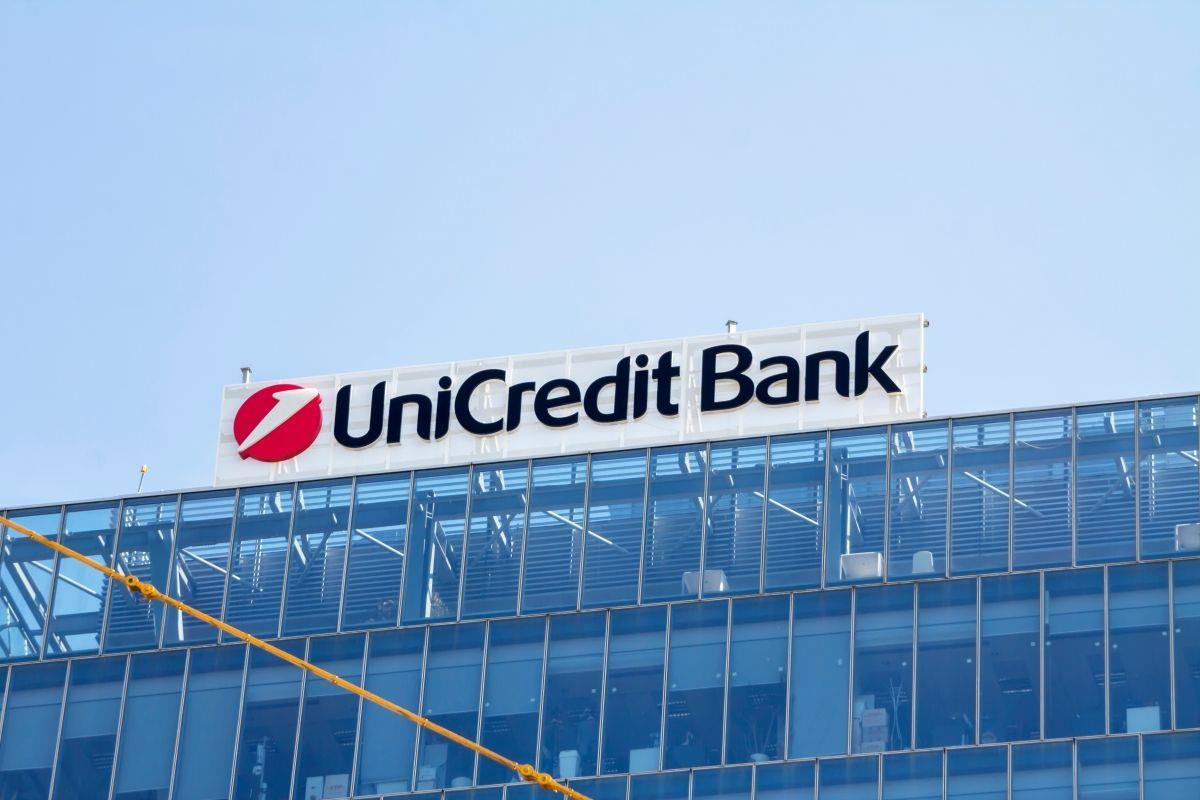
UniCredit Moves To Cross Key Commerzbank Ownership Threshold
Italian banking giant UniCredit has launched an offer to increase its stake in Germany’s Commerzbank beyond the critical 30% threshold, a move that highlights the growing momentum behind cross-border consolidation in Europe’s banking sector. The proposal is structured as a voluntary exchange offer that would allow UniCredit to surpass the threshold required under German takeover rules without necessarily gaining control of the bank.
The strategy reflects a calculated step by UniCredit to deepen its influence over Commerzbank while avoiding the complexities and political sensitivities of a full takeover. The Italian lender already holds about 26% of Commerzbank directly and another 4% through derivatives such as total return swaps.
Crossing the 30% mark triggers a mandatory takeover offer under German law, forcing the bidder to extend an offer to remaining shareholders. UniCredit said it expects to exceed that level but not reach full control, framing the move as a way to encourage “constructive engagement” with Commerzbank and its stakeholders.
Exchange Offer Sets Valuation Benchmark
Under the proposed structure, UniCredit is offering roughly 0.485 of its own shares for each Commerzbank share tendered, implying a value of about €30.8 per Commerzbank share. That represents a modest premium of roughly 4% compared with the German bank’s closing price on March 13.
The relatively small premium underscores the strategic rather than opportunistic nature of the bid. Instead of attempting a dramatic takeover, UniCredit appears focused on establishing a stronger foothold in Germany while maintaining flexibility if negotiations with Commerzbank leadership or regulators shift direction.
The approach also reduces capital risk. UniCredit signaled that if it remains without control after surpassing the threshold, the financial impact on its capital ratios should be minimal.
Long-Running Takeover Drama Reaches A New Phase
The move is the latest chapter in a multi-year story surrounding the future of Commerzbank. UniCredit began building a stake in the German lender in 2024 after purchasing shares previously held by the German government and expanding its exposure through derivatives.
Since then, speculation about a potential merger has circulated repeatedly across European banking markets. Commerzbank management has previously resisted the idea of a takeover, emphasizing the bank’s independent strategy and strong operational performance.
Despite that resistance, UniCredit CEO Andrea Orcel has continued to argue that consolidation could create a stronger European banking champion capable of competing more effectively with U.S. financial institutions.
Market Channels: Why Investors Are Watching Closely
The proposed stake increase has implications far beyond the two banks involved. European banking shares have been rallying on expectations that consolidation could finally accelerate across the region after years of regulatory hurdles and political resistance.
The first market channel is equity valuations. If UniCredit successfully expands its influence in Germany, investors may view the move as a signal that cross-border deals are becoming more feasible, potentially lifting shares of other European lenders seen as consolidation targets.
The second channel is capital markets strategy. Banks with strong balance sheets may feel pressure to pursue mergers or partnerships to maintain scale in a sector facing rising technology investment costs and tighter regulatory requirements.
The third channel involves national politics. Governments often play a decisive role in large bank deals, particularly when institutions are considered strategically important to domestic economies.
Base Case: Strategic Stake Without Full Takeover
In the base case scenario, UniCredit exceeds the 30% threshold but stops short of controlling Commerzbank. That outcome would still give the Italian lender significant influence while allowing the German bank to maintain operational independence.
Financial markets would likely interpret this as a strategic alliance rather than a full merger attempt, potentially stabilizing both stocks while leaving open the possibility of deeper cooperation later.
Upside Scenario: Deal Opens Door To European Banking Consolidation
The upside scenario involves the stake increase triggering broader consolidation across the European banking sector. If regulators and shareholders view the transaction positively, other lenders may explore cross-border combinations to gain scale and cut costs.
Such a shift could boost valuations for banks across the euro zone and strengthen investor confidence in the sector’s long-term profitability.
Downside Scenario: Political Resistance Derails The Strategy
The downside scenario is renewed political and regulatory opposition in Germany or the European Union. Large cross-border bank deals have historically faced scrutiny due to concerns about financial stability and national control of key institutions.
If resistance intensifies, UniCredit may struggle to expand its influence further, leaving the investment as a passive stake rather than the foundation of a larger merger.
Bottom line:
UniCredit’s move to push its Commerzbank stake past 30% signals a bold attempt to reshape European banking strategy without triggering a full takeover battle. Whether the plan leads to deeper consolidation will depend on regulators, shareholders and political appetite for cross-border bank deals.
Other News

XM Launches "Worldwide Partner Ladder – Beat Your Best" Promotion, Offering Partners Up to $40,000 in Rewards
By Tredu.com · 7/14/2026

The Role of Intelligent Forex Trading Systems in Optimizing Algorithmic Trading Performance
By Tredu.com · 5/20/2026

How Machine Learning Forex Trading Bot Enhances Predictive Accuracy in Forex Markets
By Tredu.com · 5/20/2026