US Gasoline Hits Four-Year High As Oil Surge Slams Drivers

By Tredu.com • 3/19/2026
Tredu
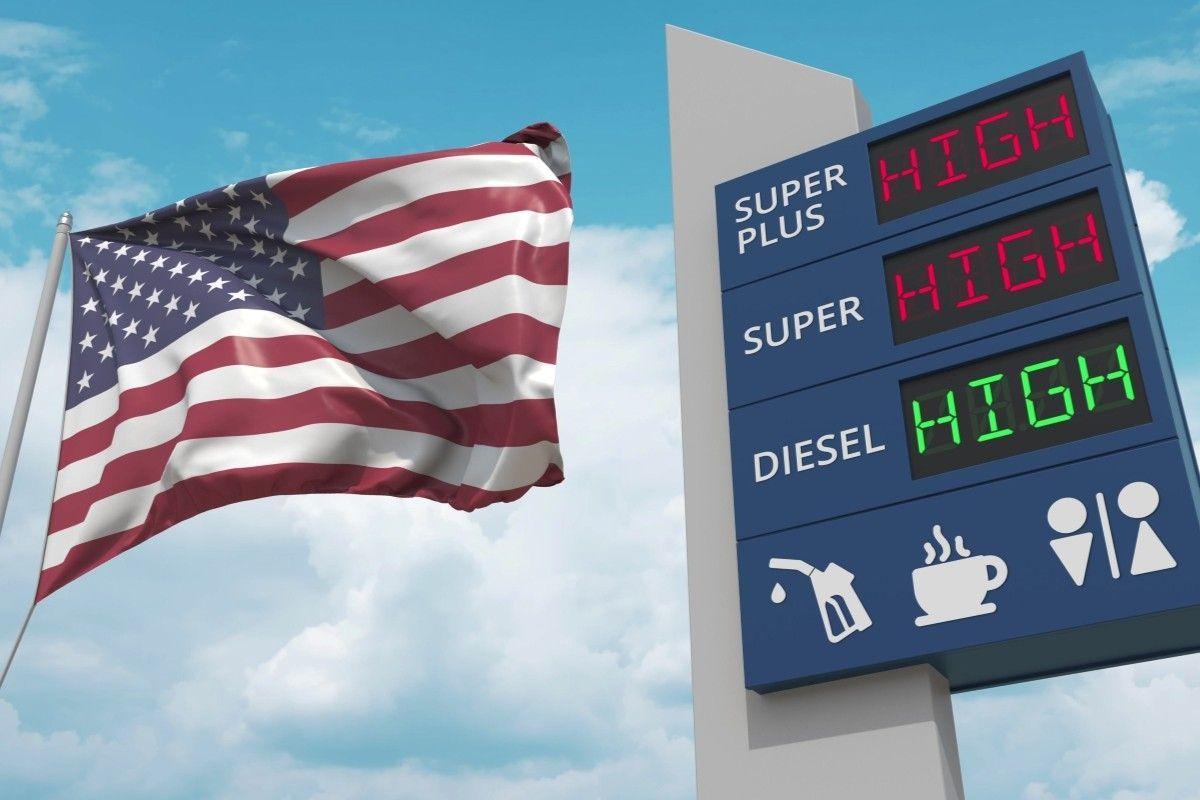
American Drivers Are Feeling The Energy Shock In Real Time
Gasoline prices in the United States have climbed to their highest level since March 2022, turning the global oil rally into a direct hit on household budgets. The national average for regular gas has reached about $3.84 a gallon, up from $2.92 a month earlier, as crude prices surged above $100 and supply fears spread across energy markets.
The significance goes well beyond the pump. Fuel is one of the fastest channels through which an oil shock reaches consumers, and that makes it a market problem as much as a political one. When drivers start paying sharply more for gasoline, inflation risks rise, spending power weakens and central banks face renewed pressure to stay cautious on rates.
Oil Above $100 Is Rewriting The Cost Of Daily Life
The move in gasoline is being driven by a larger jump in crude. Reuters reported that West Texas Intermediate briefly traded above $100 a barrel on March 19, while Brent surged above $119 intraday as attacks on Middle East energy facilities worsened the supply outlook. That price action has pushed the oil market back into territory not seen since the early phase of the 2022 energy shock.
That matters because gasoline prices do not need oil to remain at peak levels for long to move higher. Refiners, wholesalers and retailers adjust with a lag, which means part of the pump-price increase already seen reflects earlier crude gains, while another part may still be coming through. Barron’s noted that wholesale gasoline prices have already jumped near four-year highs, suggesting retail prices may not have fully caught up yet.
This Is A Consumer Story First, But A Market Story Close Behind
A rise to $3.84 a gallon changes how households behave. More money spent on fuel leaves less available for discretionary purchases, and that makes gasoline one of the most visible ways an energy crisis spills into the wider economy. The burden is uneven by geography, but it is broad. Investopedia reported that every U.S. state now has an average gasoline price above $3 a gallon, with California at $5.56 and several western states above $4.
For markets, this matters because gasoline is politically sensitive and economically immediate. Higher pump prices can weaken consumer sentiment, pressure retailers and transport-sensitive sectors, and raise concern that headline inflation will reaccelerate even if other parts of the economy are cooling. That combination is especially difficult for rate-sensitive assets such as growth equities and long-duration bonds.
Why Inflation Traders Are Watching The Pump More Than The Tape
Gasoline matters to inflation traders because it feeds quickly into consumer price measures and inflation expectations. Barron’s reported that economists already see the latest oil surge as likely to show up in March inflation data, with crude up sharply over the past month and national gas prices moving higher alongside it.
This creates a difficult backdrop for the Federal Reserve. If energy prices remain elevated, policymakers may find it harder to justify faster rate cuts even if broader growth starts to soften. That is why the gasoline story is not just about energy equities or commodity desks. It affects Treasury yields, the dollar, consumer shares and the overall path of monetary policy. Reuters noted this week that the Fed remains wary as the Middle East shock adds uncertainty to inflation and growth.
Washington Is Looking For Relief, But Options Are Limited
The administration has already begun looking for ways to soften the blow. Reuters reported that federal officials are preparing to waive summer gasoline blend rules, which would allow a broader supply of fuel to be sold and could modestly reduce production costs. The same report said the move is meant to help ease prices as the national average surged to $3.84 a gallon.
Even so, the likely effect is limited. Regulatory flexibility can help at the margin, but it does not change the core issue, which is a global crude market under supply stress. As long as Middle East disruptions keep oil elevated, the United States can slow the pass-through but not eliminate it. Reuters also reported that the gap between Brent and WTI has widened to the largest in 11 years, underscoring how distorted global energy trade has become.
Base Case Keeps Gasoline Elevated, Not Explosive
In the base case, gasoline prices remain high through the near term as crude stays elevated and wholesale costs continue feeding into retail prices. Under that outcome, pump prices may rise further from current levels, but the market avoids a full replay of the 2022 peak if additional emergency measures and supply adjustments prevent crude from spiraling much higher.
This would still be enough to matter for markets. Consumer-facing stocks could remain under pressure, inflation expectations would stay sticky and bond traders would continue demanding compensation for energy-driven price risk.
Upside Scenario Depends On A Fast Oil Retreat
The upside scenario for consumers and markets requires one main trigger: a sustained drop in crude. That would likely need clearer relief in Middle East supply fears, more stable shipping flows and confidence that emergency policy actions are enough to calm the market. If oil retreats meaningfully below current levels, gasoline could stop climbing and eventually ease, taking some pressure off inflation and rate expectations.
Downside Scenario Points To A Harder Inflation Shock
The downside scenario is that oil keeps rising and the lagged pass-through to retail fuel continues. If crude pushes deeper into triple digits and wholesale gasoline stays near cycle highs, the national average could move higher quickly and force markets to price a more persistent inflation shock. That would pressure consumer sentiment, hit discretionary spending and strengthen the case for fewer or later rate cuts.
Bottom line:
Gasoline prices are now telling the clearest story of the energy shock, Americans are paying more immediately, and markets are reacting to what that means for inflation and interest rates. Oil above $100 is no longer just a commodity headline, it is turning into a broader consumer and policy problem.
Other News

XM Launches "Worldwide Partner Ladder – Beat Your Best" Promotion, Offering Partners Up to $40,000 in Rewards
By Tredu.com · 7/14/2026

The Role of Intelligent Forex Trading Systems in Optimizing Algorithmic Trading Performance
By Tredu.com · 5/20/2026

How Machine Learning Forex Trading Bot Enhances Predictive Accuracy in Forex Markets
By Tredu.com · 5/20/2026